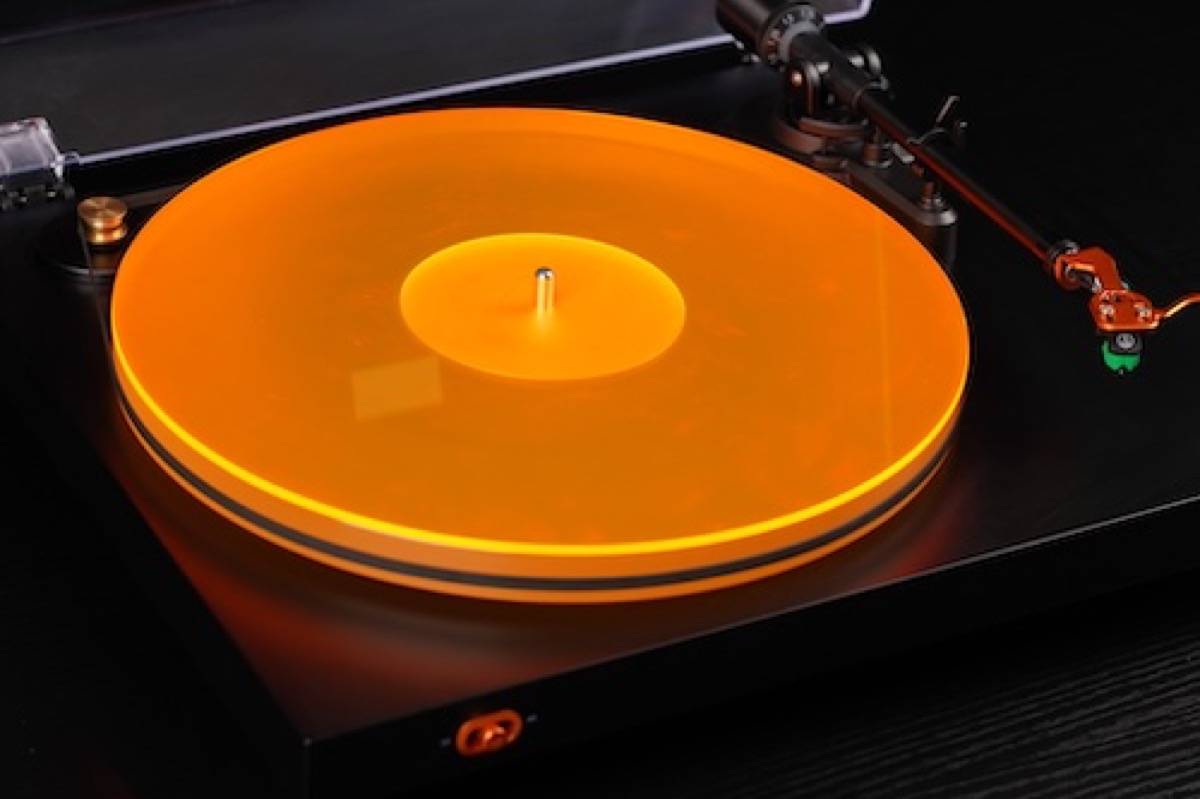
Turntables review
Fosi Audio Luna3 Turntable
A no-frills $300 belt-drive turntable built around a pre-fitted Audio-Technica VM95E cartridge, with a genuine upgrade path rather than gimmicks.
- Author
- Pragmatic Audio editorial team
- Published
- 23 Jul 2025
- Updated
- 23 Jul 2025
- Price at review
- $300
- Review unit
- Provided by Fosi Audio.
- Reading time
- 11 min
The short version
A straightforward $300 belt-drive turntable with a useful cartridge and upgrade path, aimed at listeners who already have a phono stage.
Listeners building a conventional analogue system who already own, or plan to add, a phono stage.
Strengths
- Audio-Technica VM95E included
- Clear stylus and cartridge upgrade path
Limitations
- No built-in phono stage or Bluetooth
- Manual operation
Also consider
Consider the FiiO TT13 or an Audio-Technica deck if you need more automation or integrated electronics.
A No-Frills Belt-Drive Turntable Built Around a Pre-Fitted Audio-Technica VM95E
The Fosi Audio Luna3 is a manual belt-drive turntable at $300, built around a pre-fitted Audio-Technica VM95E cartridge. It is Fosi Audio’s first turntable, funded through Kickstarter.
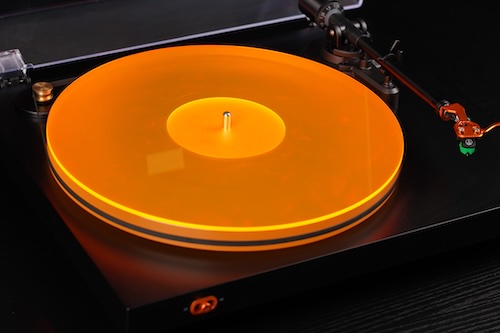
What stands out about the Luna3 is what Fosi Audio chose to leave out rather than what they added. There is no onboard phono preamp and no Bluetooth — this is a turntable that expects you to already have, or to add, a proper phono stage downstream. That is a deliberate trade-off rather than a missing feature: it keeps the internals focused on the mechanical parts that actually affect playback, and it is consistent with the VM95E’s own replaceable-stylus upgrade path, which is unusual to see on a $300 deck.
I have been listening to the Luna3 for a few weeks now. The build quality is the first thing that stands out — it does not feel like a $300 turntable in the hand, and the details below explain why. But first, let’s take a look at what’s in the box.
Unboxing and initial assembly
My Luna3 arrived in basic packaging, but I would guess the final version will come in a branded box:
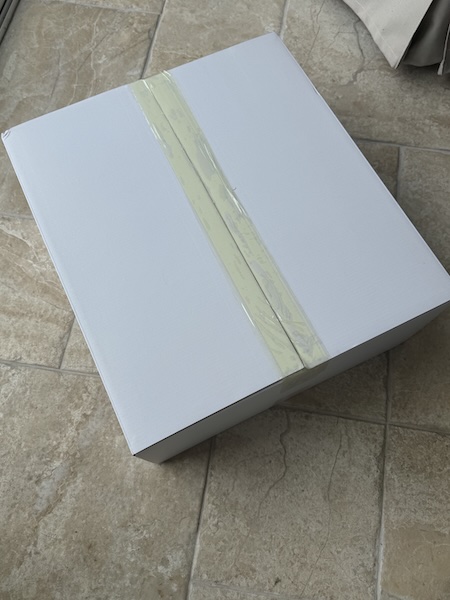
Opening the box reveals careful protective packaging that ensures your turntable arrives in perfect condition:
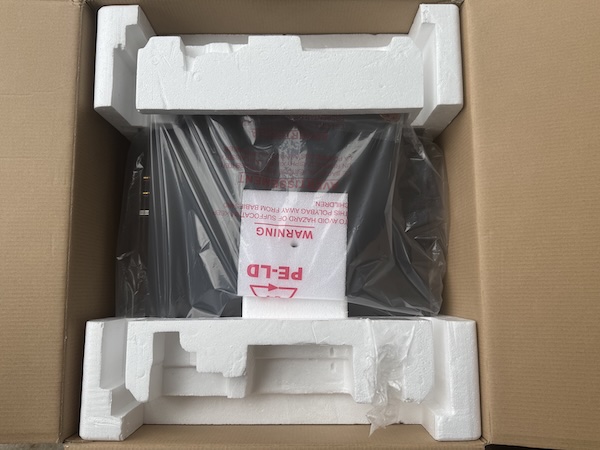
The components are well-organized and protected:
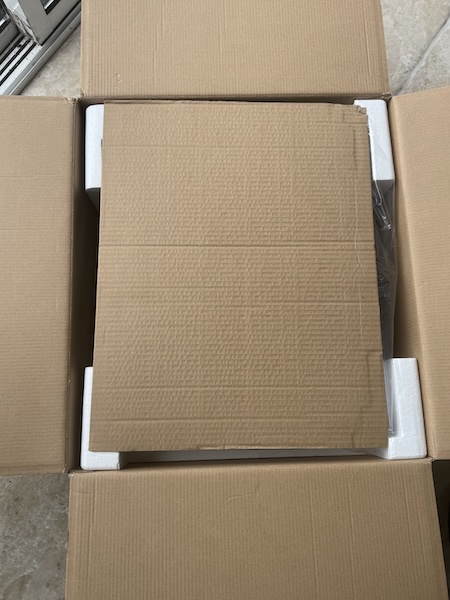
Inside, you’ll find everything needed to get started:
- The Luna3 turntable with pre-mounted VM95E cartridge
- Orange felt mat
- Belt drive system
- 45 RPM adapter
- Power supply
- User manual
The retail listing on Amazon also lists a counterweight, a cartridge cover and a dust cover as included accessories. My review unit was an early sample in plain packaging (noted below), and I did not receive a dust cover or a separate cartridge cover with it — worth checking that these are present in your own retail unit, since I cannot confirm whether that was a pre-production omission or a listing inaccuracy on Fosi Audio’s or Amazon’s part.
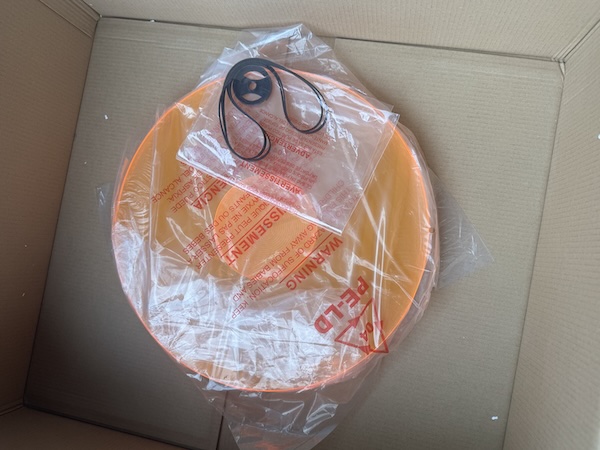
The included orange mat adds a nice touch of personality:
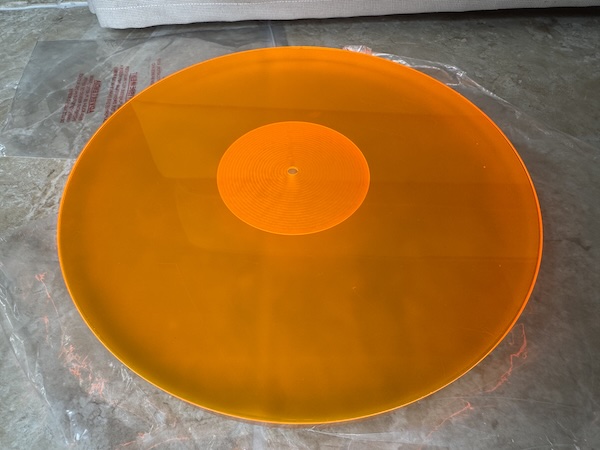
Build Quality
Lifting the Luna3 out of its packaging, the weight is the first thing you notice — it feels closer to a $500 deck than a $300 one.
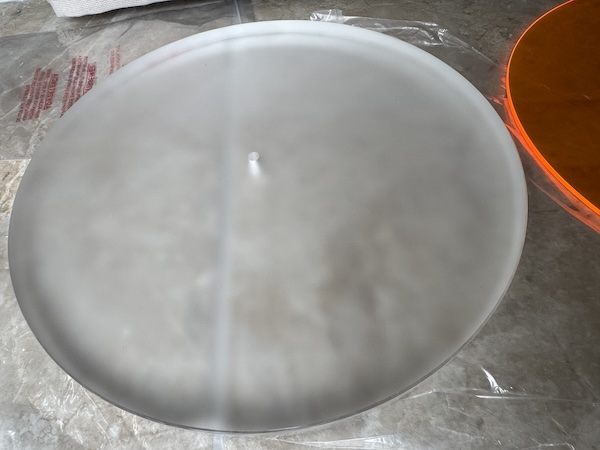
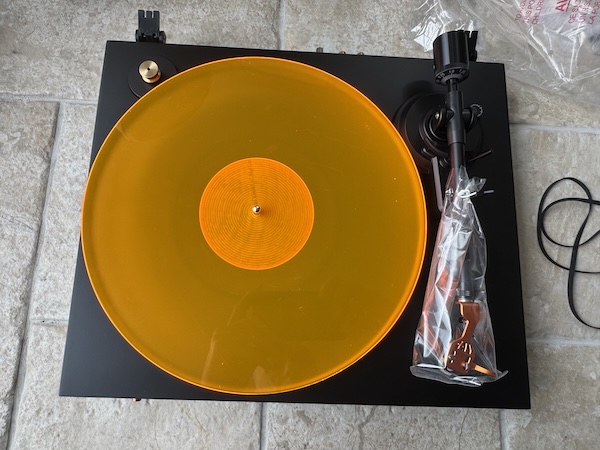
The platter itself is a 300mm acrylic disc rather than the metal platter I originally described here — you can see the translucency in the photo above — and it is heavy and well-balanced in the hand. Fosi Audio’s own marketing credits the acrylic specifically with damping high-frequency resonance in the platter itself, which is a reasonable engineering rationale for the choice.
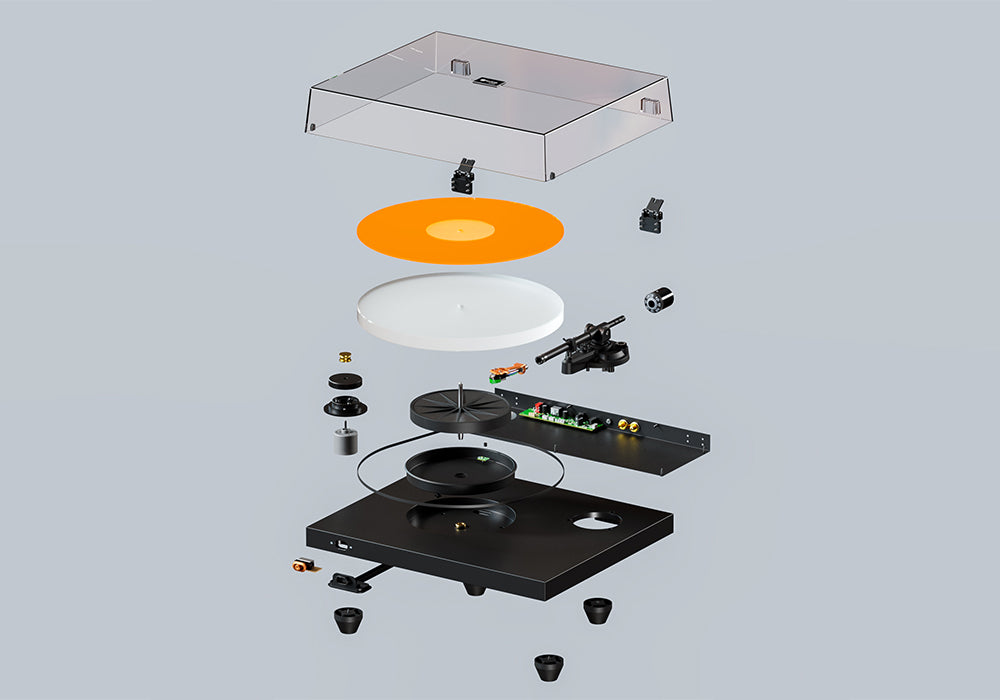
I like this diagram I found on the Fosi Audio page showing all the various components that make up the Luna3:
Setup and Assembly
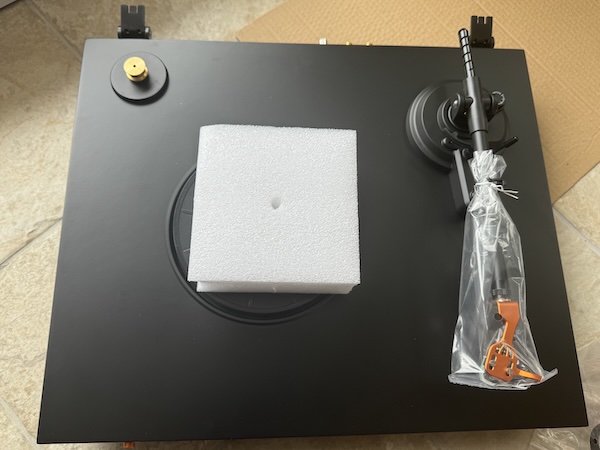
Setting up the Luna3 is straightforward, though it does require some basic turntable knowledge and a bit of common sense, like remembering to remove the protective foam. Simply place the platter and the orange mat onto the turntable:
The belt drive system is easy to install:
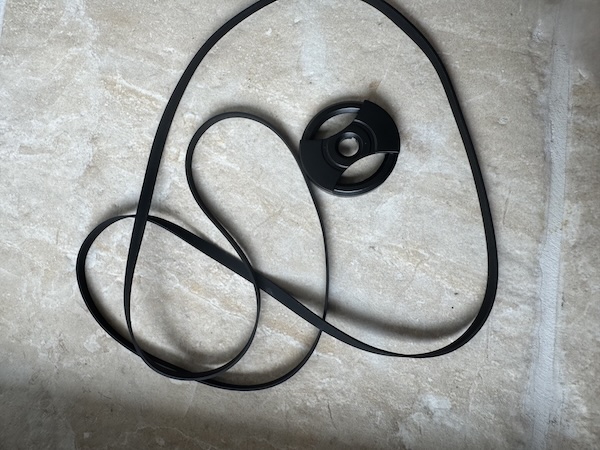
Simply stretch this over the platter and back onto the motor pulley.
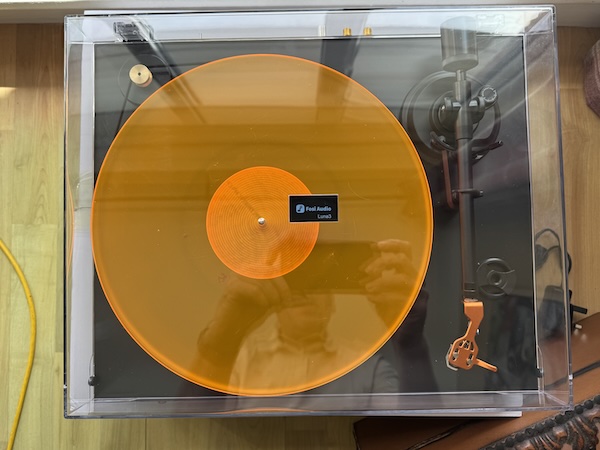
Once assembled, the Luna3 presents a clean, professional appearance:
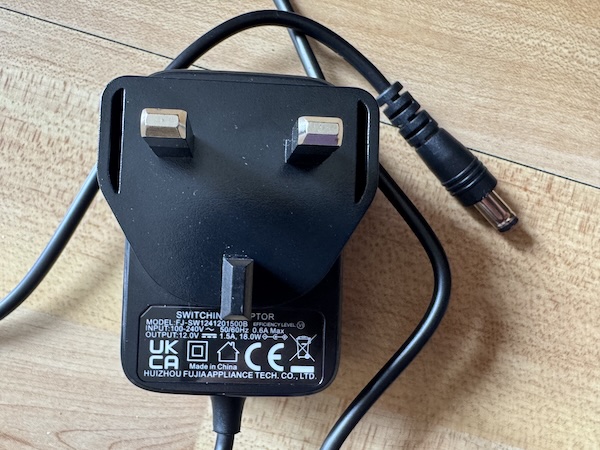
The UK power supply that came with mine:
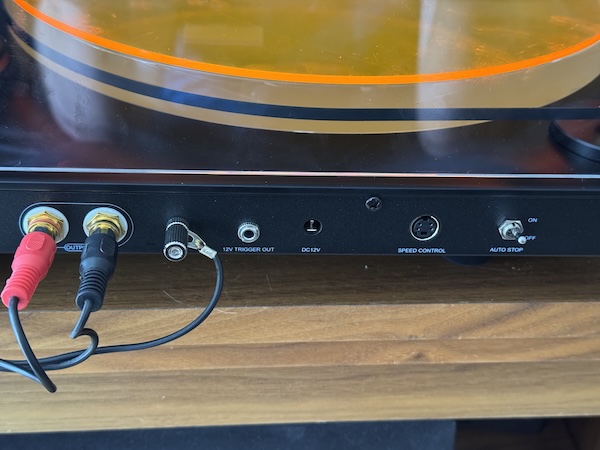
The connections on the back are clean and well-labeled:
The VM95E Cartridge
One of the Luna3’s smarter design decisions is the inclusion of the Audio-Technica VM95E cartridge. I had a chat with the Audio-Technica team at a recent CanJam in London and asked them about this specific choice, and they were complimentary about seeing it fitted to a budget turntable.
They mentioned the VM95E typically retails for around £50 on its own, and its main selling point beyond day-one performance is the upgrade path it opens up.
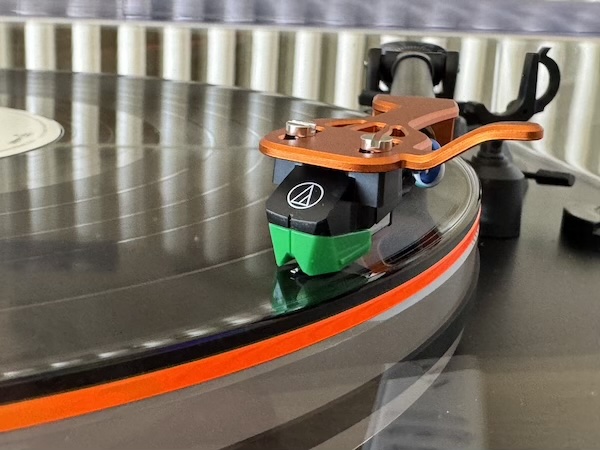
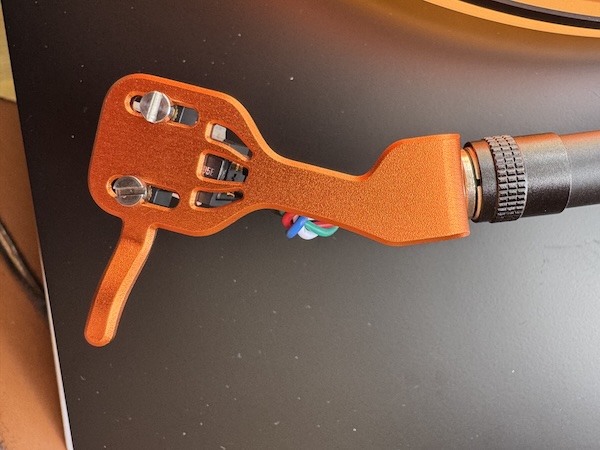
The VM95E’s replaceable stylus system means you can start with the standard elliptical stylus and later upgrade to higher-end options like the VMN95ML microlinear or VMN95SH Shibata stylus. This upgradability is rare at this price point and shows Fosi Audio’s understanding of how vinyl enthusiasts typically evolve their systems.
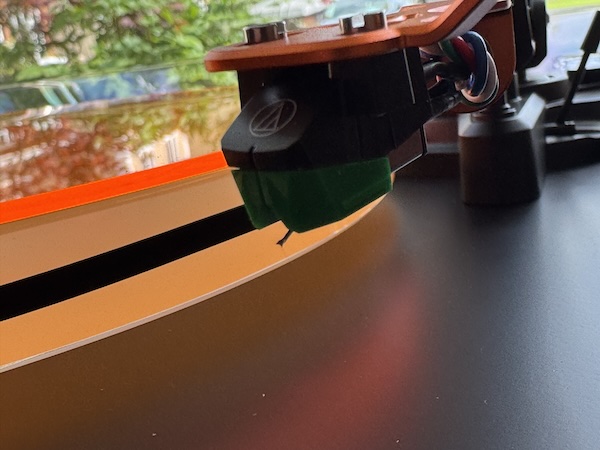
The cartridge replacement process is also user-friendly, making future upgrades accessible as you can easily unscrew it:
Features and Functionality
The Luna3’s whole approach seems to be about minimising the internals rather than adding features for the sake of a spec sheet, but Fosi Audio did still include a handful of genuinely useful details:
Speed Selection
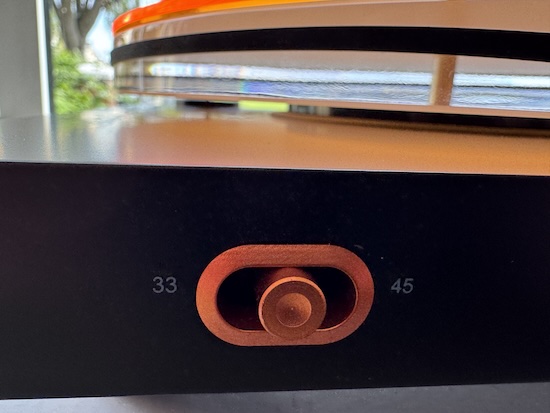
The 33/45 RPM switch is easily accessible. It is a standard feature on any turntable at this level, but the Fosi Audio orange branding on the switch is a nice touch:
Balance and Anti-Skate
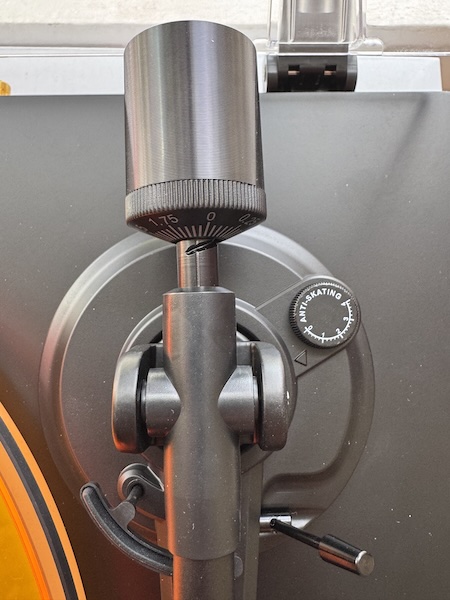
Proper tracking adjustments are available for optimal performance:
Auto-Stop Functionality
While not as convenient as a full auto-return feature (like on the FiiO TT13), the Luna3’s auto-stop prevents your stylus from running into the label area at the end of a record:
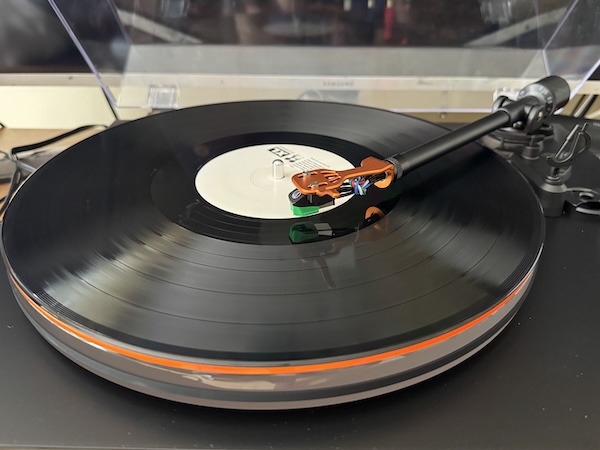
Trigger Output
A nice touch for system integration is the trigger output, which can automatically turn on downstream components when you start playing a record. This works well with several other Fosi Audio components that already respond to a trigger input, like the ZA3 and the V3.
Sound Impressions
I want to be upfront about the limits of what follows: these are general impressions from casual listening rather than a controlled comparison against a reference deck, and I have not used a specific set of reference tracks the way I normally would for a cartridge-driven review. The verification tests and A/B methodology I plan to run — outlined after a listener flagged some build-quality questions about early Luna3 units — will let me firm these impressions up with something more specific.
With that caveat in place: the low end is controlled rather than boosted, which is what I would expect from the heavy acrylic platter and a conventional moving-magnet cartridge like the VM95E — nothing about it sounds thin, but nothing about it sounds artificially boosted either. The midrange is the VM95E’s known strength, and that comes through here too; vocals sound natural rather than pushed forward or recessed. The treble is the area most likely to change with a stylus upgrade — the stock elliptical is fine but unremarkable up top, which tracks with Audio-Technica’s own positioning of the VM95E as an entry point in a stylus family that goes considerably further.
Comparisons
vs. FiiO TT13
The comparison with the TT13 highlights different philosophies in turntable design:
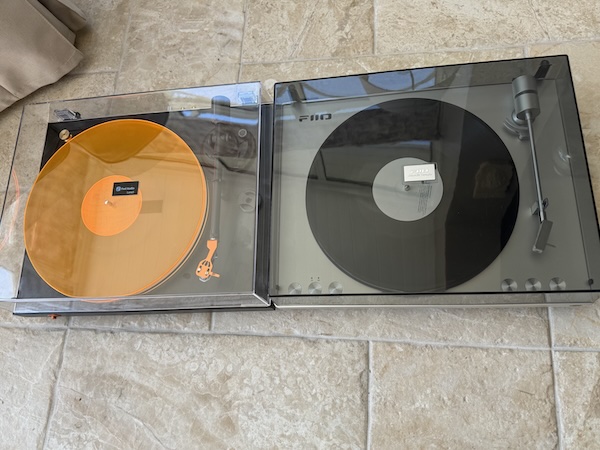
While the TT13 excels in convenience features like Bluetooth connectivity, remote control, and full automation, the Luna3 focuses on fundamental audio performance and upgradability. The TT13 is perfect for casual vinyl listening, but the Luna3 is designed for those who want to grow with their system.
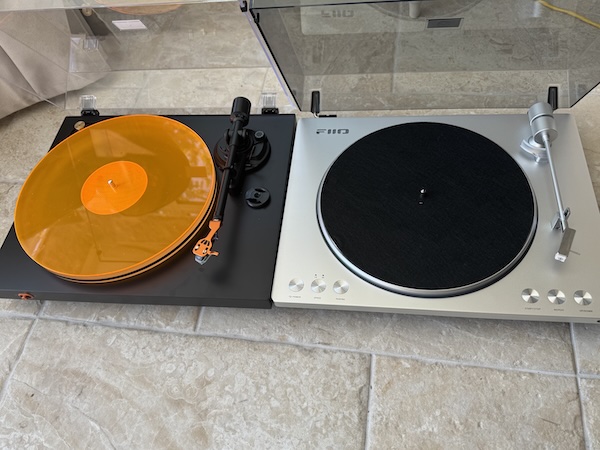
If I were picking a turntable to get my kids into vinyl, I would actually pick the TT13 — they are too used to the conveniences of streaming, and the remote control plus auto-start and auto-return on the TT13 would give them just enough convenience to possibly keep them interested.
But if I were picking one for someone like me, who gets obsessed with every aspect of the audio setup, it would definitely be the Luna3.
vs. Audio-Technica Competition
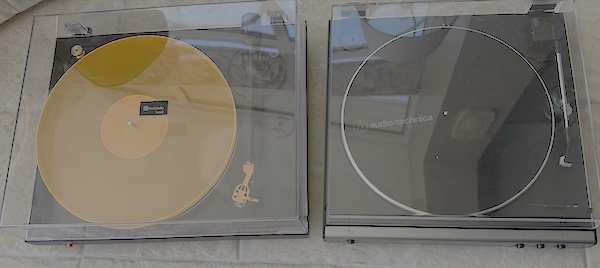
Compared to the basic starter Audio-Technica models like the AT-LP60 below, the Luna3 offers superior build quality and a far more substantial feel:
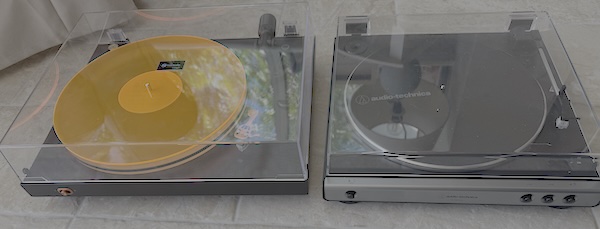
The Luna3’s heavier construction and better component quality are immediately clear in any side-by-side comparisons.
System Integration
I have several different systems around my house, so I had fun trying the Luna3 in a few of them to see how it slots into different kinds of setups.
With Active Speakers
One of my favourite recent speakers is the Argon Forte Mk2 — a genuinely versatile active speaker with a lot of
connectivity options, including HDMI for my TV, and also a phono stage for turntables like the Luna3 that need
an external phono preamp:
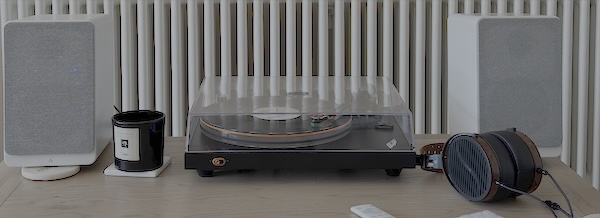
I really liked this simple setup as the Forte has a simple remote and a trigger input so super easy to add the Luna3 into this setup.
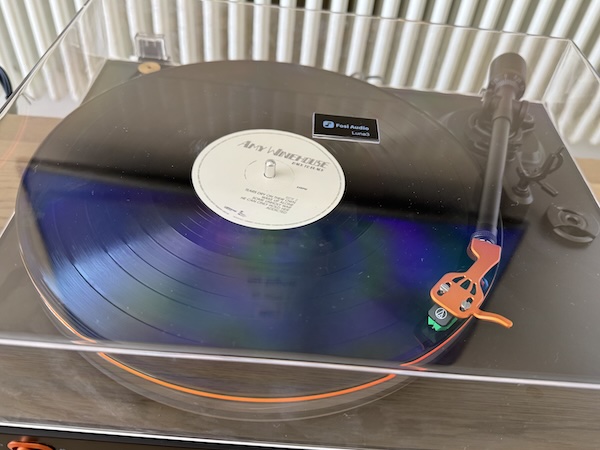
With Headphone Systems
Another minimal setup worth trying was the SMSL PH-1 phono preamp with the Luna3. The PH-1 is a clean-sounding phono preamp that also has a headphone output, though not the most powerful one. That was perfectly acceptable for many of my easier-to-drive headphones. However, with some headphones, like the Fosi Audio i5 shown in the picture below, it really did need a better headphone amplifier downstream to sound its best — though it was still interesting to see it work as a genuinely minimal setup.
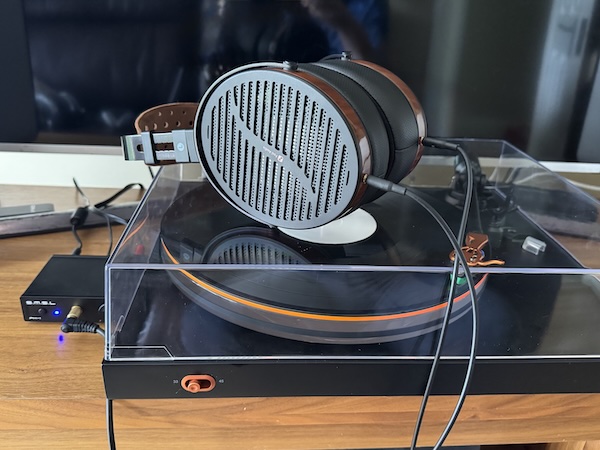
So while I would not recommend this specific pairing as a final setup for the Luna3, both the PH-1 and the Luna3 work well as components within a larger setup, which is what I tried next.
Integrated into a full AVR setup
So I have a larger AVR setup in another room in my house, and while this Denon AVR also has a phono stage, I switched between using the PH-1 and the built-in Phono stage in the AVR. While the PH-1 was a better pairing for the Luna3 than the AVR built-in Phono stage, Fosi Audio offer even higher quality phono preamps including the Box X5.
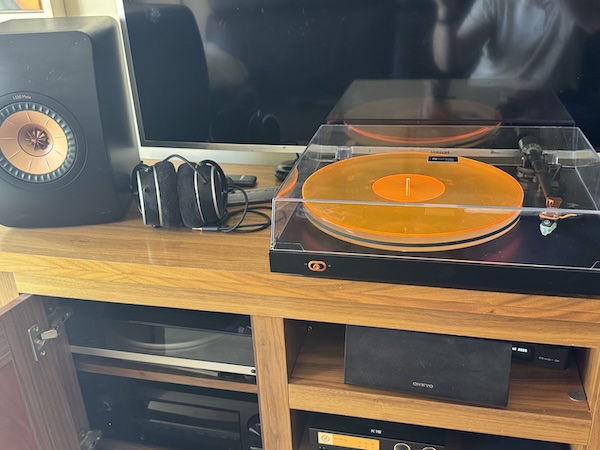
I did a bit of A/B testing with this setup, since I still had the FiiO TT13 also connected to the AVR, switching relatively quickly between the two turntables — though without two copies of the same LP, this was closer to a quick back-to-back comparison than a rigorous vinyl A/B test.
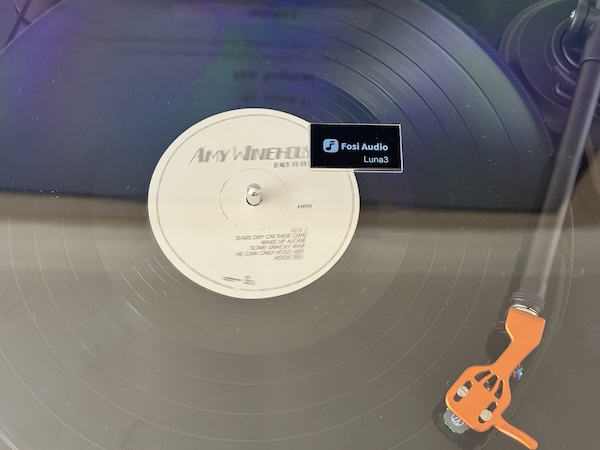
Who Should Buy the Luna3?
The Luna3 makes most sense for a specific kind of buyer rather than as a universal first deck. If you are buying for someone you already suspect will get properly into vinyl, the upgrade path and build quality mean it will not become a limiting factor as their interest grows — you are not buying something you will replace in a year. It also suits someone returning to vinyl after years away and who wants modern reliability without a lifestyle gimmick attached, and anyone who has been burned by a cheap turntable that mistracked and damaged records, since proper tracking and build quality are exactly where the Luna3 puts its money.
Where it makes less sense is if you specifically want convenience features — Bluetooth, a remote, or full automation. The FiiO TT13 covers that brief better. The Luna3 is for buyers who value fundamental performance and a genuine upgrade path over modern conveniences.
Specifications
- Drive System: Belt-driven, manual operation
- Speeds: 33⅓ and 45 RPM (speed variation 0.13%, wow & flutter 0.15%, per Fosi Audio)
- Cartridge: Audio-Technica VM95E (pre-mounted)
- Tonearm: Static balanced with anti-skate adjustment (0–4g)
- Platter: 300mm acrylic (not aluminium — corrected from an earlier version of this review)
- Signal-to-noise ratio: Fosi Audio’s own listings disagree with each other (60dB on the Amazon spec sheet, 65dB in their product description) — I have not independently measured this
- Weight: approximately 4.5kg (per Amazon’s listed shipping weight)
- Features: Auto-stop, trigger output, speed selection
- Power: External 12V power supply (region-specific plug)
Rating Explanation
The Pragmatic Rating of 5 reflects a turntable that puts its $300 where it actually matters: a real Audio-Technica cartridge with a genuine upgrade path, a heavy, well-balanced acrylic platter, and build quality that does not feel like a corner was cut to hit the price. The lack of a built-in phono stage or Bluetooth is a deliberate omission rather than a missing feature — it keeps the focus on the mechanical fundamentals.
The Price Rating of 5 follows from the same logic: build and cartridge quality that I would associate with turntables costing meaningfully more, at $300. The Features Rating of 4 reflects the trade-off explained above — this is not the turntable to buy if you want automation or wireless convenience. The Measurements Rating of 4 is provisional; I do not yet have my own bench data for the Luna3, and I have flagged a few build-quality questions from other owners that I plan to verify directly before finalising that score.
Conclusion
The Fosi Audio Luna3 gets the fundamentals of a first “serious” turntable right: real build quality, a genuine cartridge with somewhere to go from here, and none of the gimmicks that pad out a spec sheet without improving playback. At $300, it competes on substance rather than on features.
It is not the turntable to buy if you want Bluetooth, a remote, or full automation — the FiiO TT13 covers that brief. But for someone who wants to do vinyl properly from the start, and who is happy to add their own phono stage, the Luna3 is a sensible way in.
I do want to flag one thing before you buy based on this review alone: after publishing, I heard from another owner who ran into a handful of build-quality issues on their unit — a sticky counterweight, a headshell that rode close enough to the record to be a concern on a warped disc, and a few other mechanical niggles. I have not been able to reproduce those on my own unit, but I have listed the specific tests I plan to run to check for them, and I will update this review with the results.