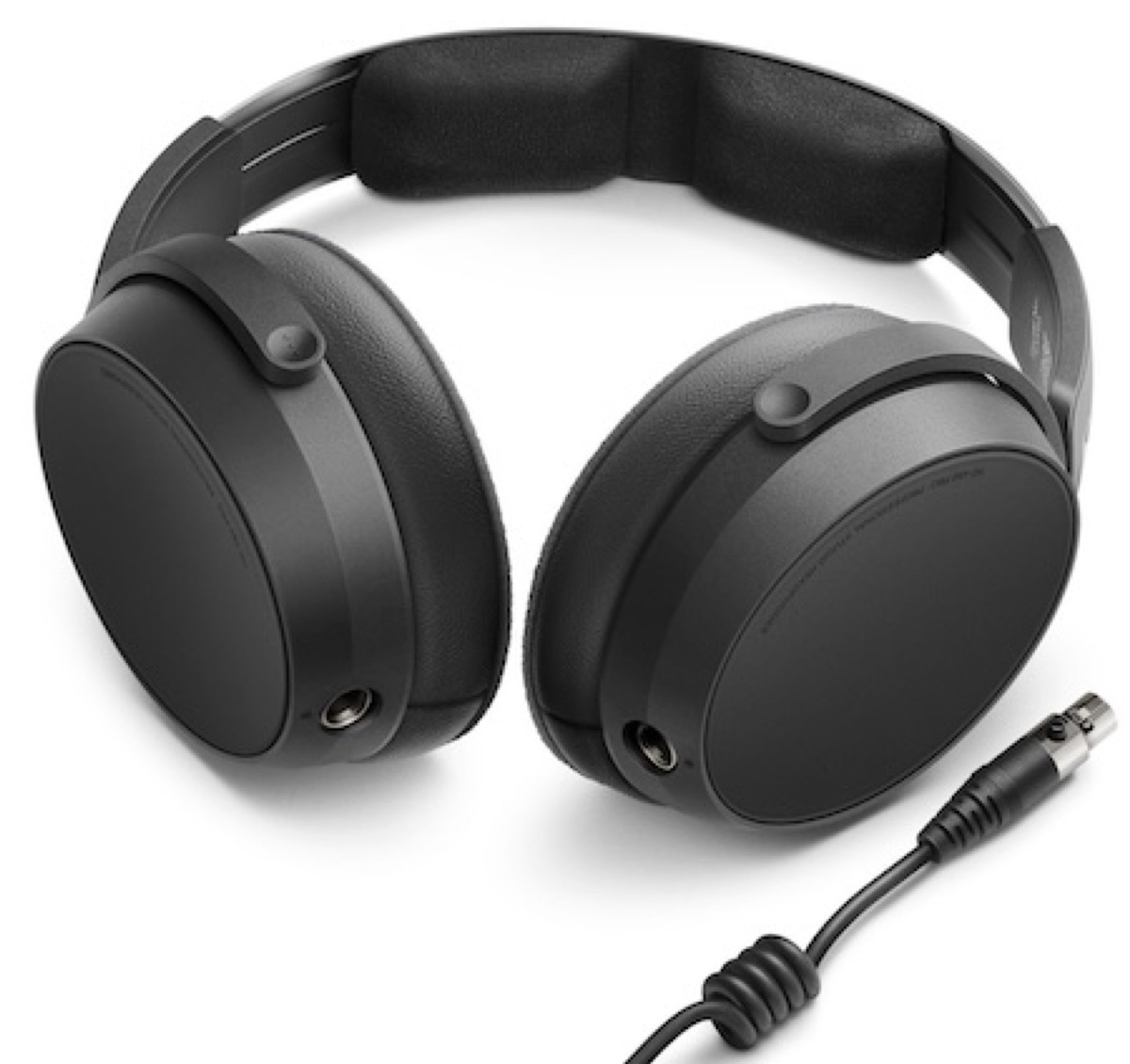
Headphones review
Sennheiser HD 480 PRO
Sennheiser's new closed-back studio reference is also the most pragmatic closed-back you can buy. My favourite closed back and headphone of the year.
- Author
- Pragmatic Audio editorial team
- Published
- 14 Jul 2026
- Updated
- 14 Jul 2026
- Price at review
- $399
- Review unit
- Provided by Sennheiser.
- Reading time
- 15 min
The short version
A comfortable closed-back studio headphone with a balanced reference presentation, low distortion, and few unnecessary complications.
Listeners needing a comfortable closed-back for studio work, isolation, or everyday reference listening.
Strengths
- Balanced tuning and low distortion
- Comfortable, serviceable design
Limitations
- Less spacious than an open-back
- The Plus version costs more for its case
Also consider
Consider the Sennheiser HD490 Pro if you can use an open-back, or the FiiO FT1 for a lower-cost closed-back.
Love at first listen - a Closed-Back Studio Reference Done Right
Sennheiser already made an excellent open-back studio headphone in the HD 490 PRO, but open-backs are not always the right tool, especially when isolation matters — tracking vocals, monitoring on a noisy stage, or working in a shared room. The HD 480 PRO is the perfect complement to that excellent open-back: a closed-back, over-ear dynamic headphone pitched as a reference monitor for exactly those isolation-critical jobs. But don’t let the “studio tool” framing put you off if you’re not an engineer — the comfort, the build, and above all the sound make a strong case for this as a regular audiophile’s closed-back too, and I think it’s the most pragmatic option there is under $1,000.
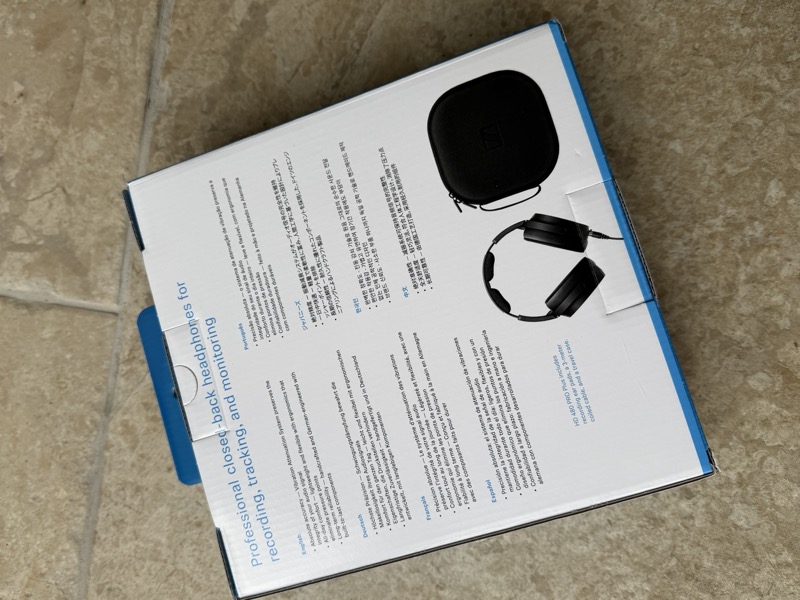
It uses a 38mm dynamic driver, a 130Ω load, detachable mini-XLR cabling and velour pads, and Sennheiser have added a vibration attenuation system intended to keep distortion and internal reflections down. At $399 it sits a little below the HD 490 PRO and is sold in two forms — the standard HD 480 PRO with a soft bag, and the HD 480 PRO Plus with a hard travel case. The unit reviewed here ships with the case.
I have used the HD 480 PRO both in long evening sessions as a true audiophile headphone but also at my desk purely for the pleasure of listening to a well-balanced headphone while I work — the tuning is deliberately neutral, and it isolates well enough that the room around me (or most of the noise in the room) disappears. Closed-backs are also typically the harder half of the headphone world to tune well — sealing the cup gives the driver a cavity to fight rather than open air to breathe into — which is part of why this one has stuck with me almost immediately as a great headphone.
But first, let’s take a look at what’s in the box.
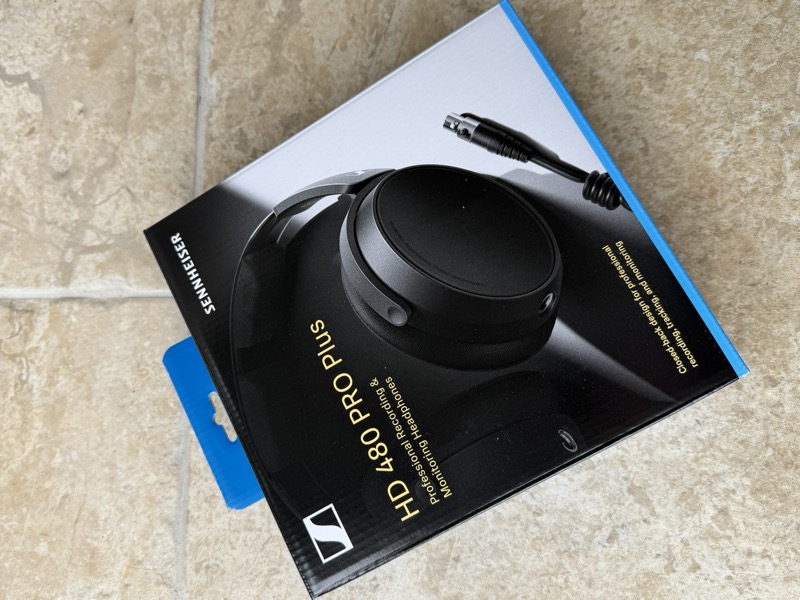
Unboxing and Packaging
The packaging is the practical, no-nonsense presentation you expect from a pro audio product:
 |  |
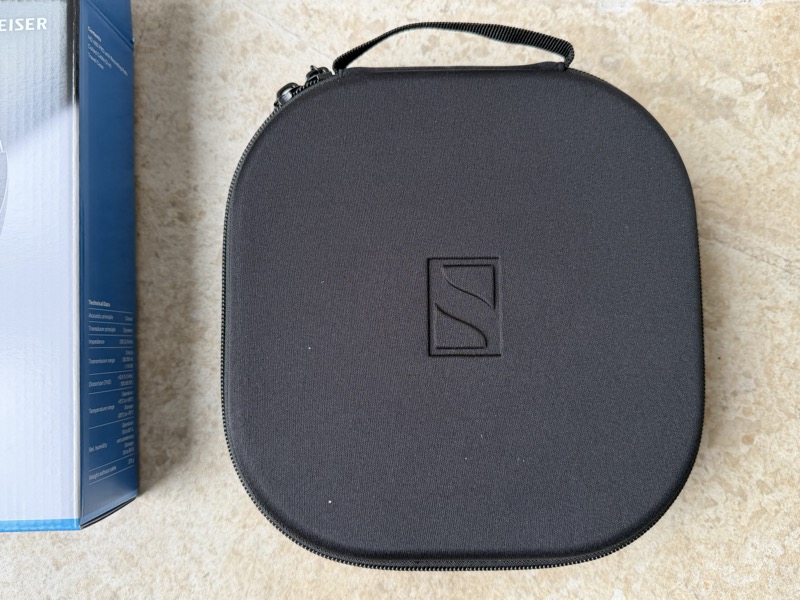
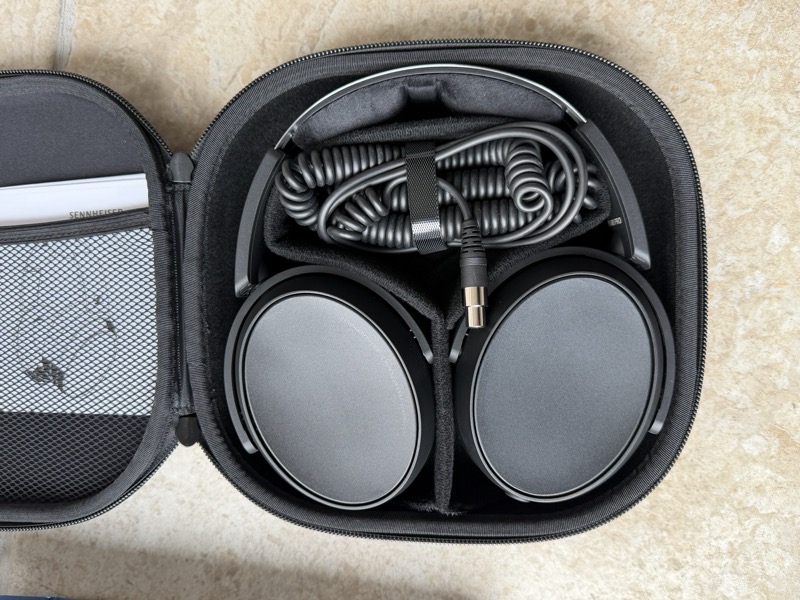
The travel case is a solid clamshell with a Sennheiser logo on the lid, and inside it holds the headphone, the coiled cable, so sadly no spare set of earpads this time (like we got with the HD490 Pro):
 |  |
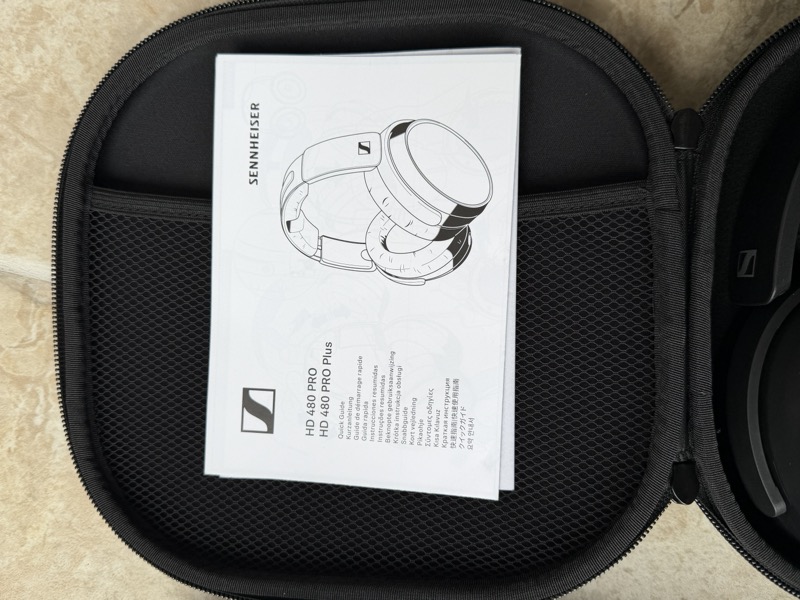
The documentation sheet covers the basics and the warranty:
Cable and Connections
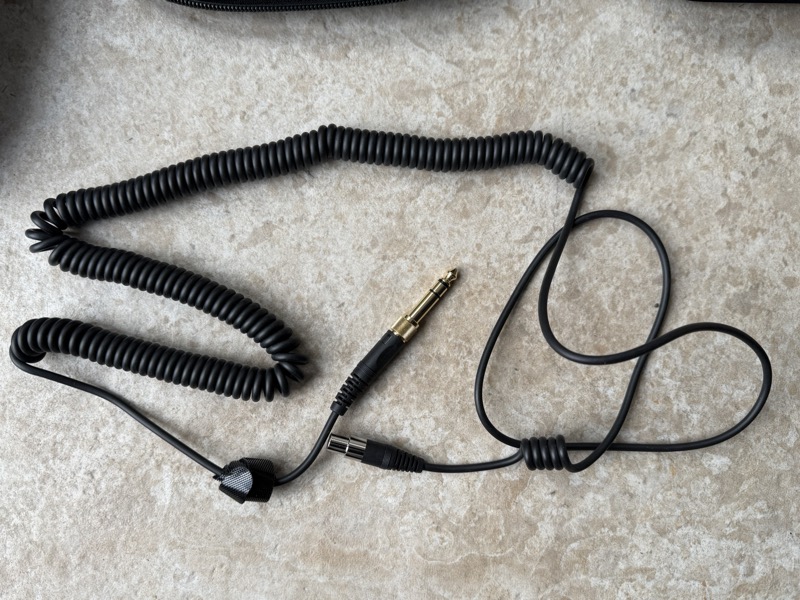
The included cable is a 3m coiled mini-XLR to 3.5mm lead, with a screw-on 6.35mm adapter for studio gear. My only minor complaint about this headphone for audiophile usage is that the 3m cable is probably too long for most setups, and while the mini-XLR is fairly common with studio reference headphones, it is not as common as dual 3.5mm in audiophile usage:
 | 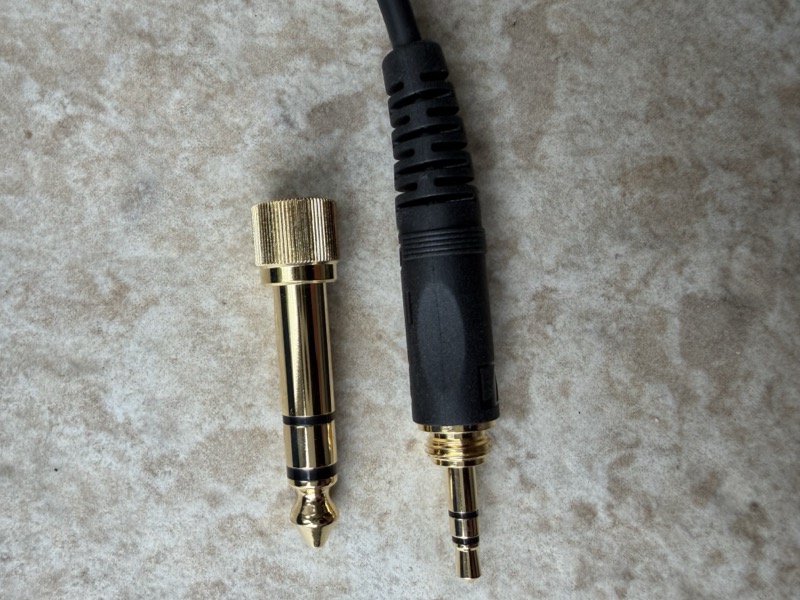 |
But you can buy the shorter 1.8m cable from Sennheiser and I already have the 1.8m cable with my HD490 Pro, so I mainly use that one for this review.
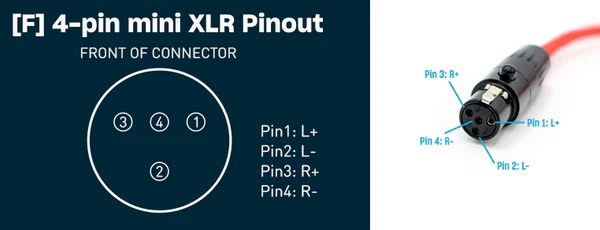
For those interested this is the pin layout of the mini XLR cable:
Design and Build Quality
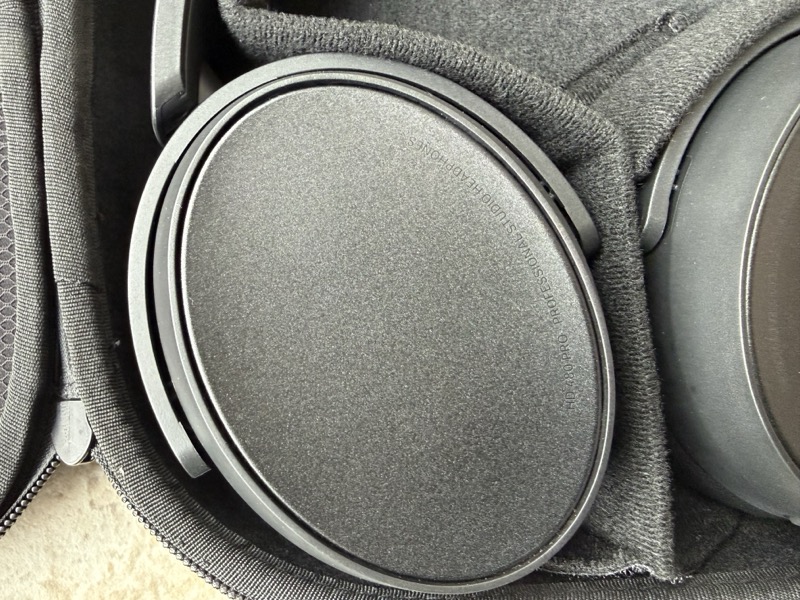
The HD 480 PRO is a restrained, functional design — matte black, no styling flourishes, built to last in a studio or on the road:
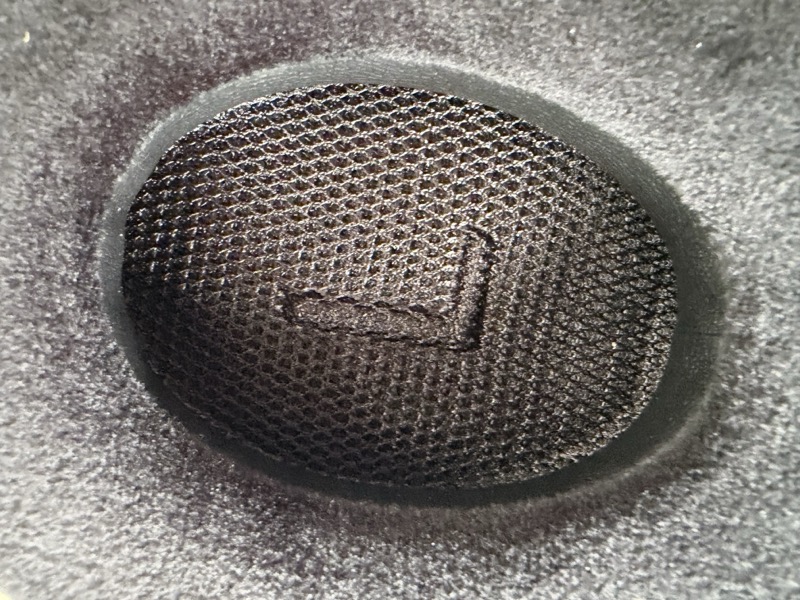
The earcups carry a fine grille over the driver, with the L and R embossed nicely on each cup, and similar to the HD 490 PRO these L/R labels do not affect the sound or touch your ears:
 |  |
The cable enters via a single-sided mini-XLR socket on the earcup, which is the same detachable approach Sennheiser use on their other pro models (like the HD 490 PRO), so it is relatively easy to find replacements:
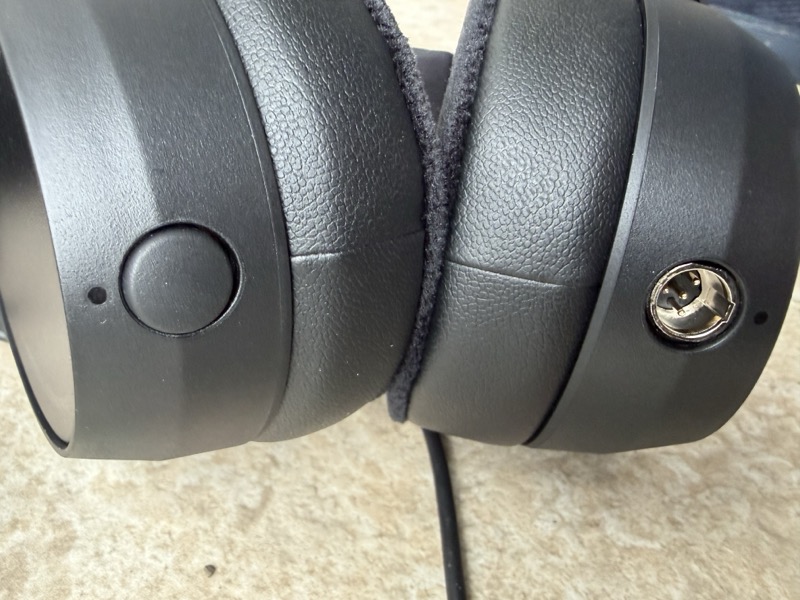
What struck me most, once I’d had it apart in my hands, is how little there is to it. There’s no oversized earcup housing a complicated internal damping system, no exotic acoustic chamber geometry, nothing that reads as “look how clever we’ve been” — just a driver, a cup, and a cable, put together properly. That simplicity is exactly why it’s easy to service rather than a sealed unit you replace when something goes wrong, and it’s a big part of why this reads to me as a genuinely audiophile-friendly design rather than just a studio tool that happens to be listenable: the kind of headphone you can own, repair and keep using for a decade, not just a fixed-life review sample.
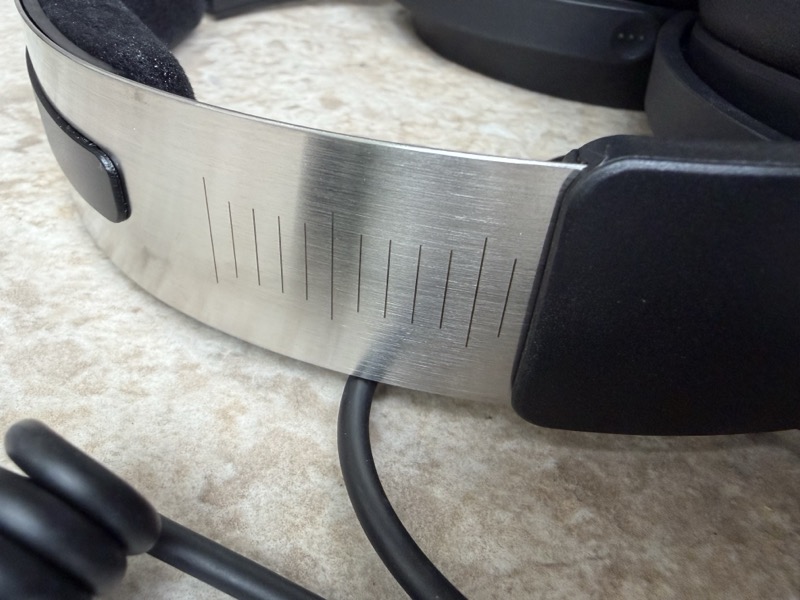
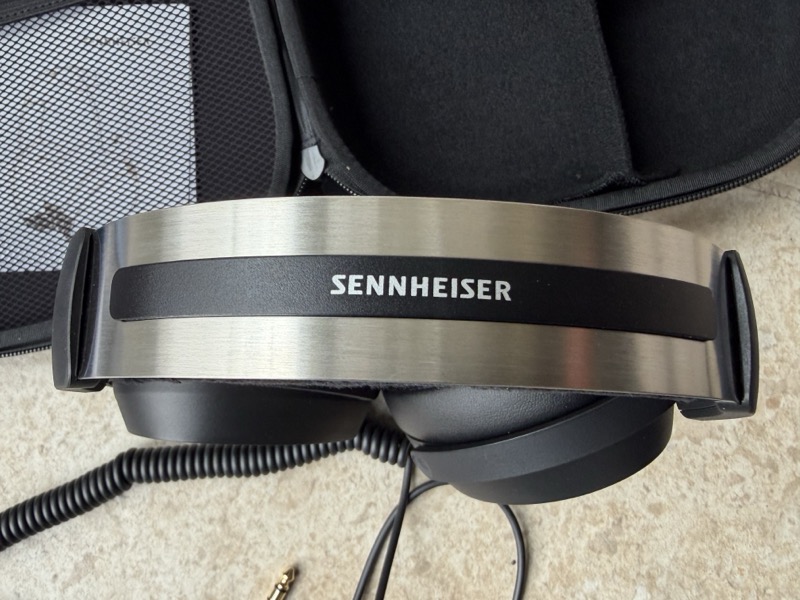
The headband is slotted for adjustment and again built for durability rather than show, with metal where it matters. I like the fine tuning you can do with the clicks on the headband:
 |  |
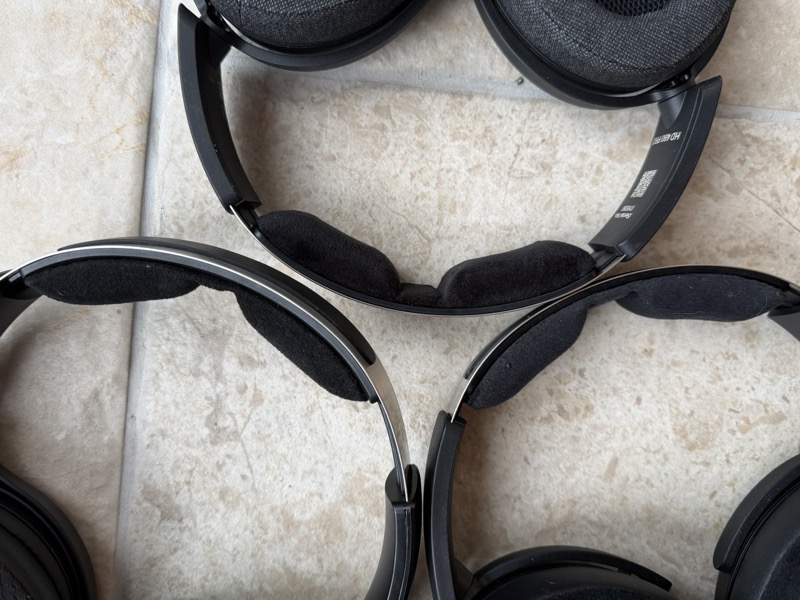
Lined up against the padding on several other headphones in the collection, it is now becoming a common design, with the HD490 Pro and the FiiO JT7 in this photo:
Fit and Comfort
Sennheiser’s own specification lists 272g without cable, and that is basically what I measured:
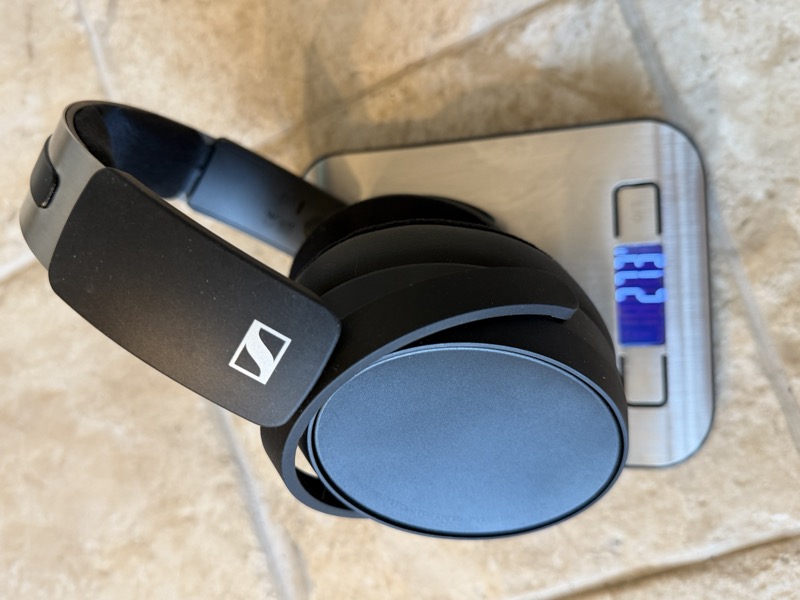
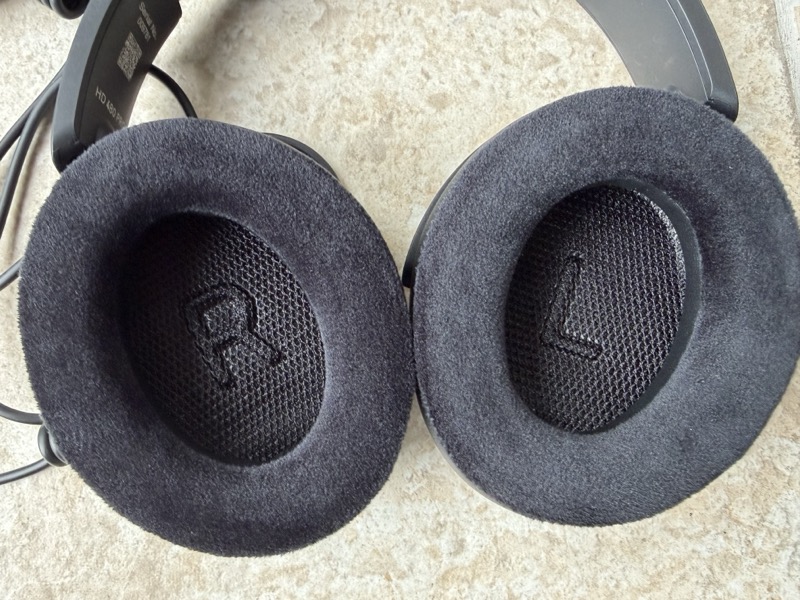
Either way, it reads as light for a closed-back, and the velour pads are grooved to accommodate glasses — a small but genuinely useful touch for long sessions. The pads are replaceable, which matters for a headphone that will see daily studio use, and a spare set is included:
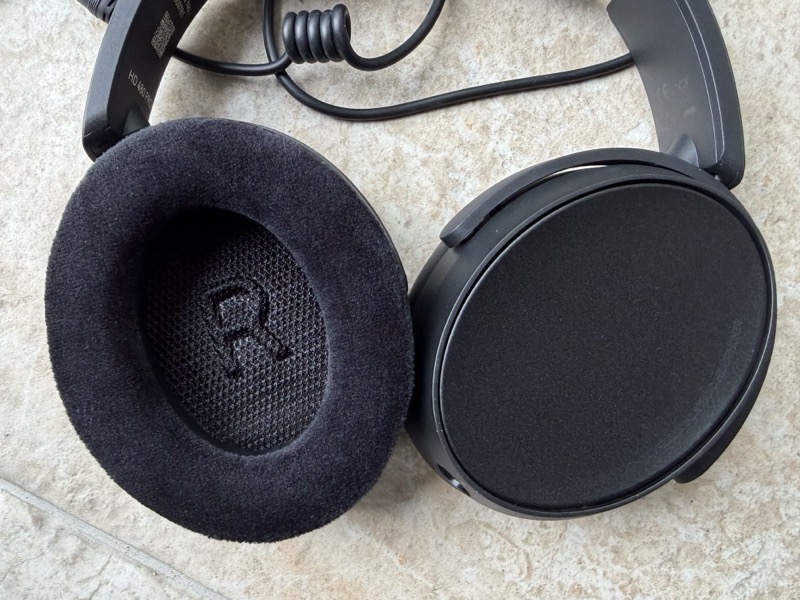
I like how you fold down the headphone in either direction:
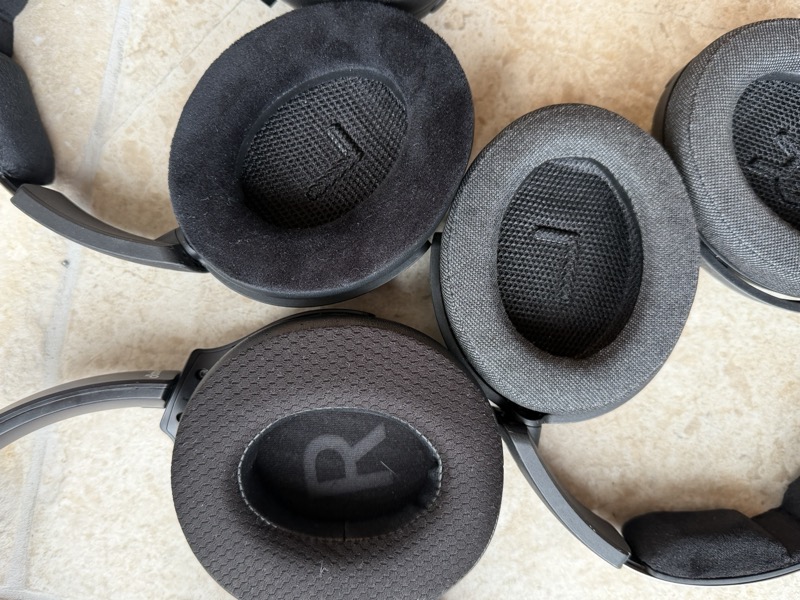
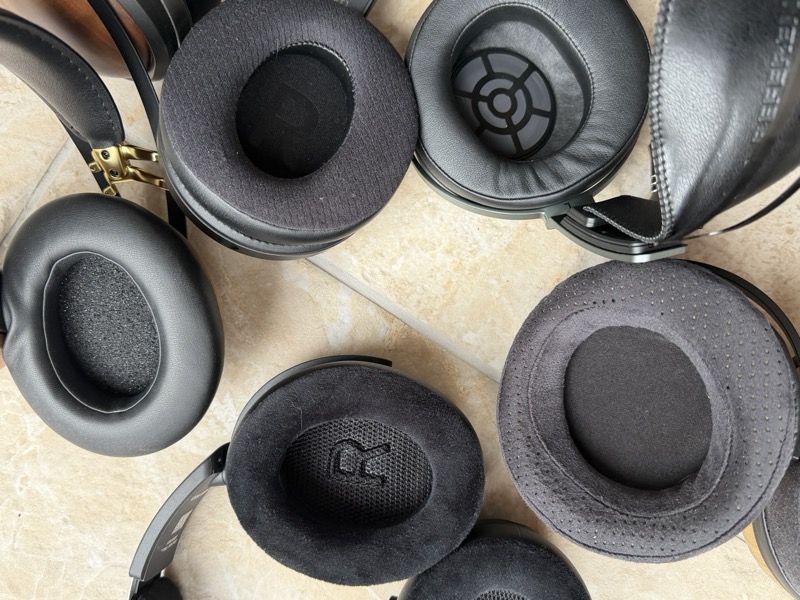
Set alongside earpads from several other closed and open-back headphones in the collection, the HD 480 PRO’s velour is noticeably plusher and deeper than most of the pleather and thinner velour options nearby but it is also not the largest. I would say the earcups have a good balance of size and comfort:
 |  |
Pictured directly against the much more expensive but nicely designed Yamaha C3000 closed-back, the difference in material is obvious at a glance:
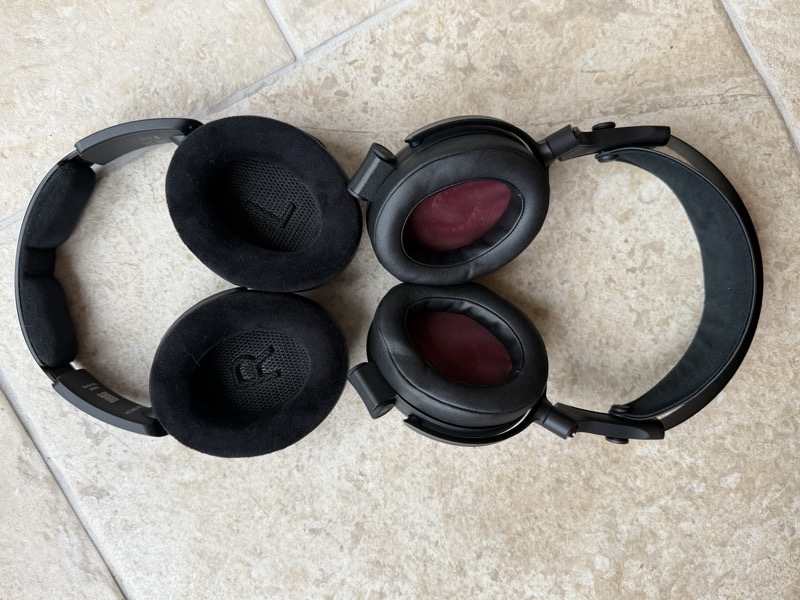
The clamp is firm enough to seal and isolate without becoming uncomfortable, and I personally feel that the velour keeps things cooler than pleather over a long take, but both of these well-designed closed backs are very comfortable.
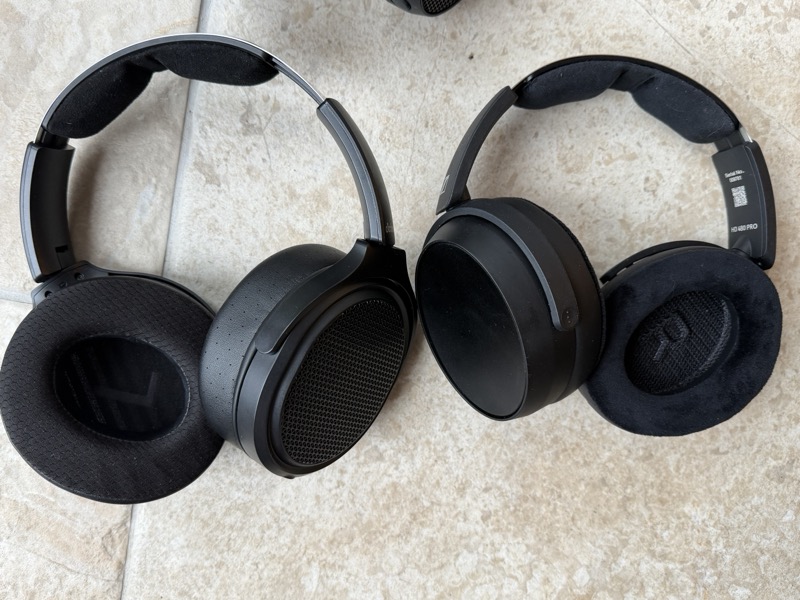
So, for my summer holiday this year I decided to bring an open back and a closed back and it is no surprise that I brought the HD 480 PRO, but I decided to also bring the FiiO JT7 (for some variety), but then I noticed how similar the headband designs were (though Sennheiser did this first with the HD 490 PRO):
Sound Impressions
These impressions mainly come from my month with the HD480 Pro, listening to it exactly as it arrived. What is sort of amazing is that almost immediately, within the first few minutes, I thought it sounded impressive — so quickly that I actually replied to Sennheiser later that day to confirm that the headphone arrived (which I normally do with any review units), but then added that I felt this would be one of the best closed headphones this year. Then the longer that I listened, the more this opinion was confirmed.
Bass
Straight out of the box, the HD480 Pro has more bass weight than I expected from a studio closed-back. It is not a restrained or dry tuning; kick drums and sub-bass lines have real physical presence, and the low end helps drive the music along rather than sitting politely underneath it. The bass is forward enough that I would not call this strictly neutral, but it stays controlled and does not turn the whole headphone muddy.
The main caveat is texture. The HD480 Pro gives you convincing impact and mass, but it is not the richest or most nuanced bass presentation I have heard from a closed-back. It is better at thump and weight than at pulling out every tonal shade from bass instruments. For most listening, though, that trade-off works well, and the stock tuning is enjoyable rather than something that immediately needs fixing.
Midrange
The midrange is clear and intelligible, but it does sit slightly behind the bass in the overall balance. I would not describe it as hollow or badly recessed; vocals and instruments still sound normal, and there is enough presence for voices to remain easy to follow. What I do hear is a slightly lighter lower-mid character, which can make male vocals and some instruments sound a little less full than they might on a warmer headphone.
That lighter midrange is also part of why the HD480 Pro avoids sounding congested. With the bass level Sennheiser has chosen here, a thicker midrange might have made the headphone feel heavier and less open. As it is, the balance leans a little fun, but it still keeps the centre of the music readable.
Treble
The treble is one of the stronger parts of the HD480 Pro. I would not call it dark, but I also would not call it sharp or aggressively bright. Cymbals and upper harmonics have enough presence to keep the headphone clear, yet the treble avoids the splashy, glassy edge that many closed-back headphones fall into.
This is also where I think the HD480 Pro feels more mature than a lot of studio closed-backs. It gives enough top-end information for detail and articulation, but it does not make sibilance or cymbal energy the main event. If anything, the treble is smoother and more even than I expected, and that helps the headphone work across more genres without becoming tiring.
Soundstage and Imaging
For a closed-back headphone, the HD480 Pro sounds unusually spacious. It does not create the same out-of-head scale as a large open-back, but it avoids the boxed-in, inside-the-cup feeling that many closed-backs have. Images sit with a bit of distance from the head, and there is enough separation that busy mixes do not immediately collapse into the centre.
On “Private Investigations” by Dire Straits, the HD480 Pro gives the quieter spaces in the recording room to breathe. The stage is not exaggerated, but the placement is easy to follow, and the headphone does a good job of keeping individual elements separated without making the presentation feel artificial.
Taken together, the HD480 Pro comes across as a bass-forward, clear, surprisingly spacious closed-back rather than a strict studio-neutral monitor. The bass gives it more fun than I expected, the midrange stays honest enough, and the treble is smoother than any closed-back in my collection. I might consider small EQ changes if I wanted a more neutral balance, but the stock tuning is already fantastic, and that is something I don’t think I would say about any other closed-back.
Comparisons
With these comparisons I wanted to spend as much time swapping between different closed backs to give as fair a subjective comparison as possible, especially the longer I listened to and compared to other headphones, the more I felt it was the best closed back for < $1000 and probably the best sounding closed back in my collection:
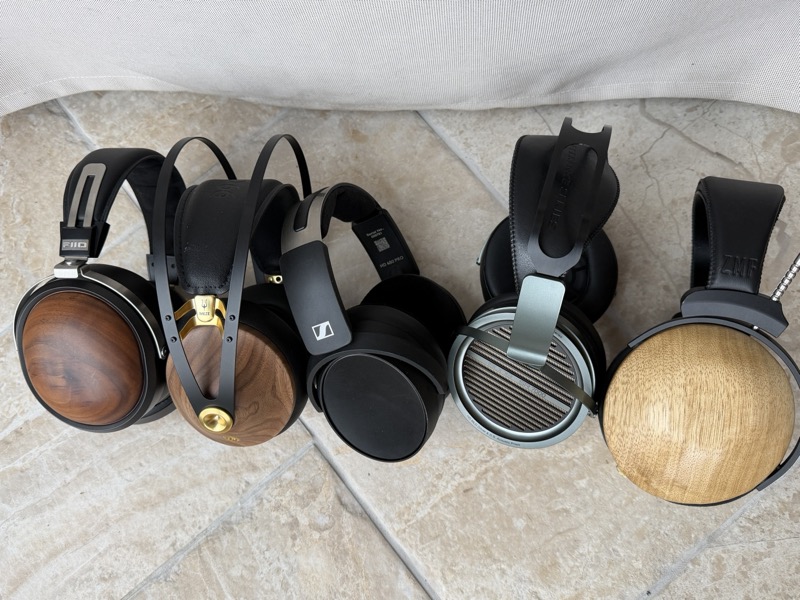
Of these above, the cheaper FT1 and the Meze 99 Classics V2 are decent closed-backs but not perfect, especially in the treble. Of the two more expensive headphones, the excellent Aune SR7000 has a slightly worse midrange, and the ZMF Bokeh Closed has a warmer bass. The Meze, Aune and ZMF arguably have other audiophile qualities — they look more “premium” — but the HD 480 PRO has a slightly better, more balanced overall sound.
I also compared against a few newer closed backs, the SiVGA and the HiFiMan and the Yamaha C3000:
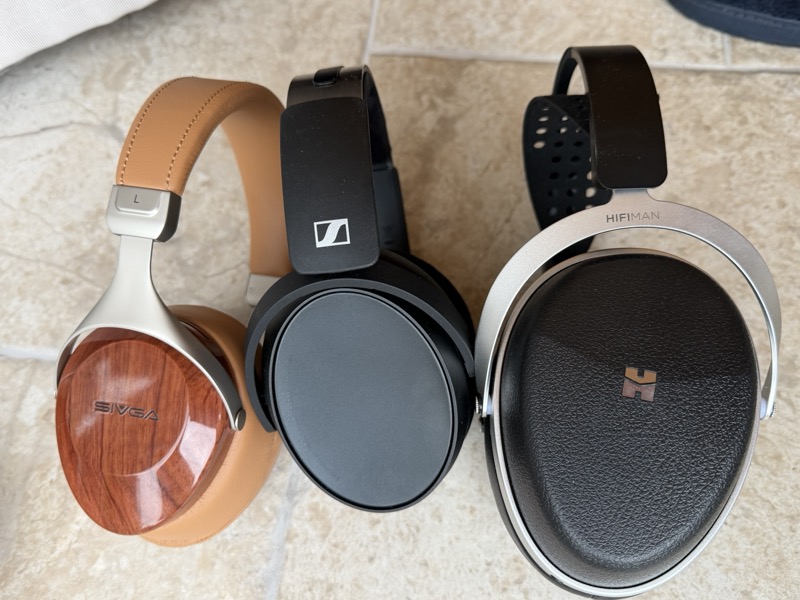 | 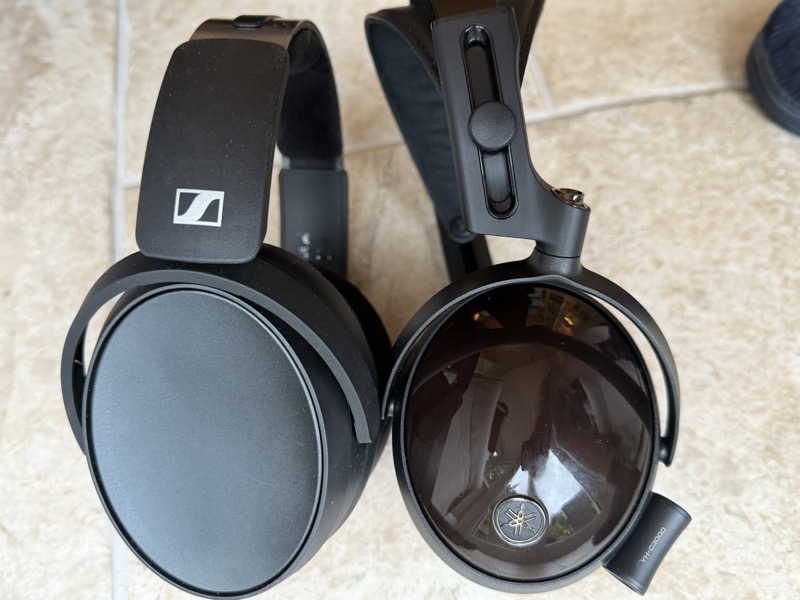 |
While the new SiVGA SV021 Robin V2 is actually pretty good at its price, it is let down by its treble. The HiFiMan is a poor closed-back that tries too hard to sound “open” rather than tonally accurate, and the Yamaha C3000 is a closed-back where they went for a totally different and very “Japanese sound” presentation, so it’s understandable that the HD480 Pro is much more tonally accurate.
One other new closed-back headphone that I feel will be compared with it this year is the new Dan Clark Audio “Core”, which I got to spend time with in Vienna. That is also a very well-tuned closed-back, though it chases the Harman target while the HD480 Pro goes for a more reference sound (with added bass texture), and it is also more expensive and much harder to drive than the HD480 Pro. I was hoping to borrow the DCA Core for a longer and proper comparison, but unfortunately I would not get it in time, and I didn’t want to wait any longer for this review.
Specifications and Measurements
| Specification | Value |
|---|---|
| Type | Over-ear, closed-back |
| Transducer | 38mm dynamic |
| Impedance | 130Ω (at 1kHz) |
| Frequency response | 3Hz – 28,700Hz (–10dB) |
| Sensitivity | 107dB SPL (1kHz / 1Vrms); 98dB SPL (1kHz / 1mW) |
| Max SPL | 130dB (1kHz, 5% THD) |
| THD | < 0.5% (1kHz, 100dB SPL) |
| Weight | 272g per spec (without cable); measured 213g on my own scale |
| Earpads | Velour, grooved for glasses |
| Cable | Detachable, mini-XLR (4-pin); 3m coiled, 3.5mm + 6.35mm adapter |
| Variants | HD 480 PRO (soft bag) / HD 480 PRO Plus (travel case) |
Measurements:
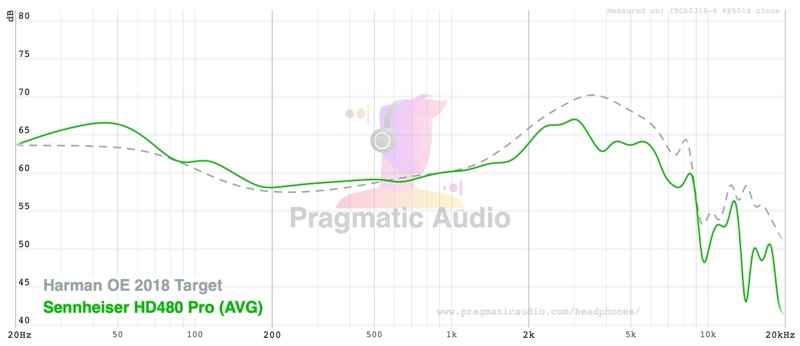
Against the Harman over-ear 2018 target the HD 480 PRO tracks closely through the bass and midrange, with the even, slightly more ‘polite’ top end, so those chasing a ‘detailed’ sounding closed back might need to use some PEQ ( adding a high shelf to increase the treble):
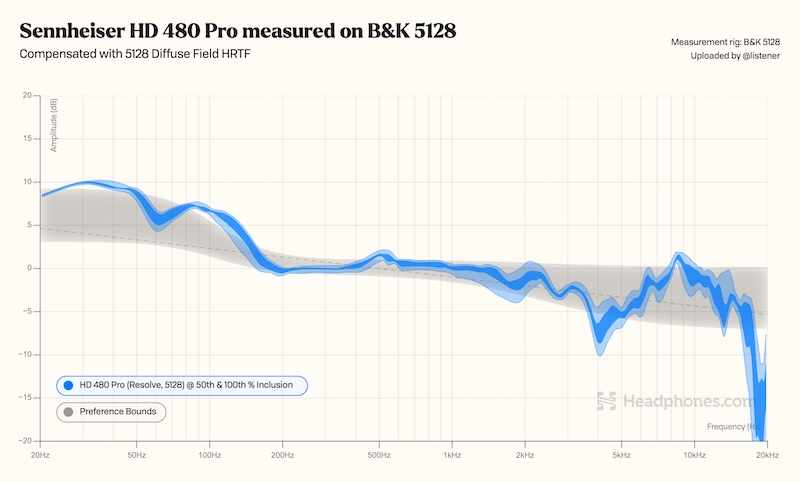
So as a comparison, here are the Headphones.com measurements on a BK-5128:
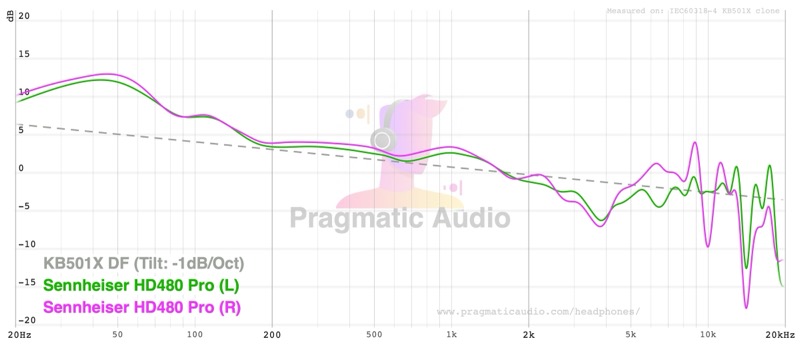
Channel matching tracks closely left to right in the graph below, which is the kind of consistency a studio headphone has to get right:
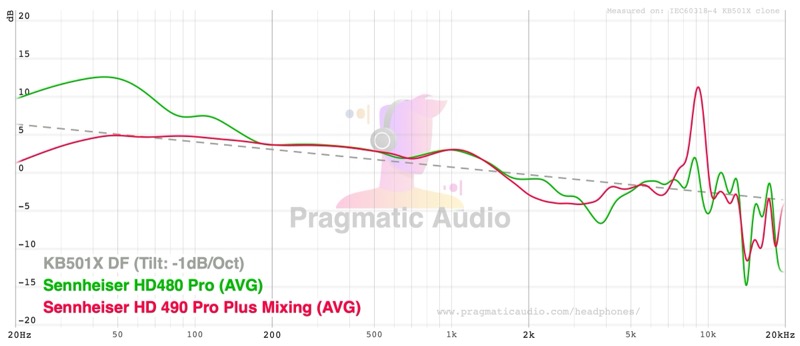
The most relevant family comparison is against the open-back HD 490 PRO — the two are voiced as siblings, and the difference is largely what you would expect from closing the back rather than a wholesale retuning:
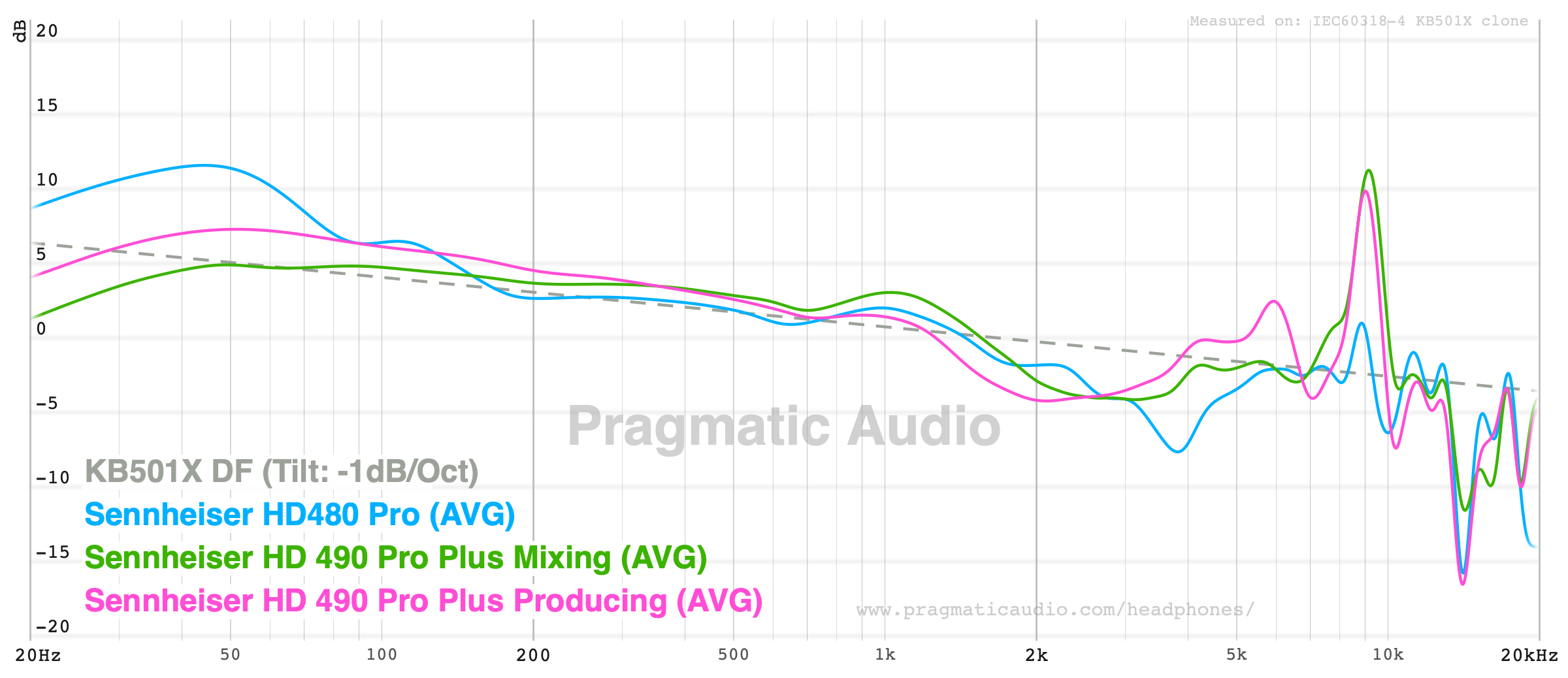
Breaking the HD 490 PRO Plus down by its Mixing and Producing earpad/tuning options makes that family relationship even clearer:
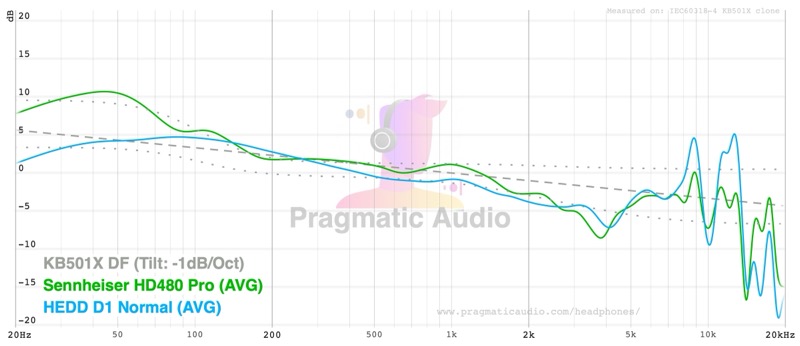
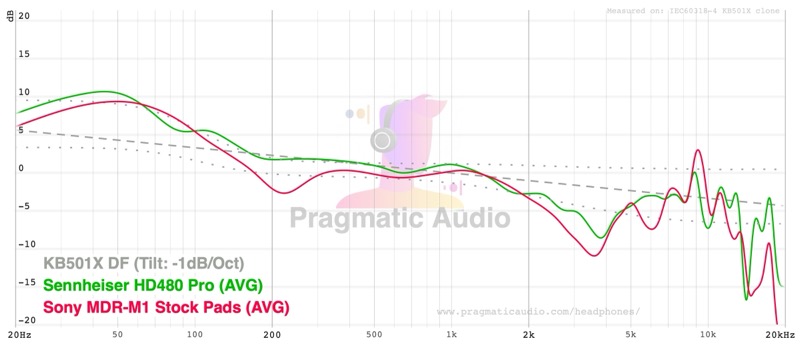
It is also worth seeing it against other studio and reference closed-backs. Against the HEDD D1 and the Sony MDR-M1 — two other monitoring-oriented headphones — the HD 480 PRO’s balance is easy to place:
 |  |
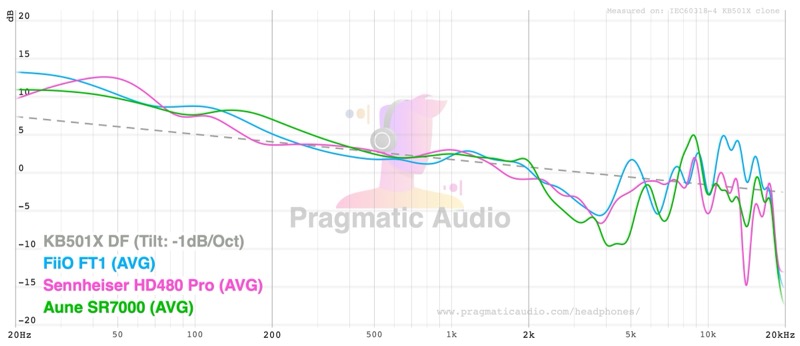
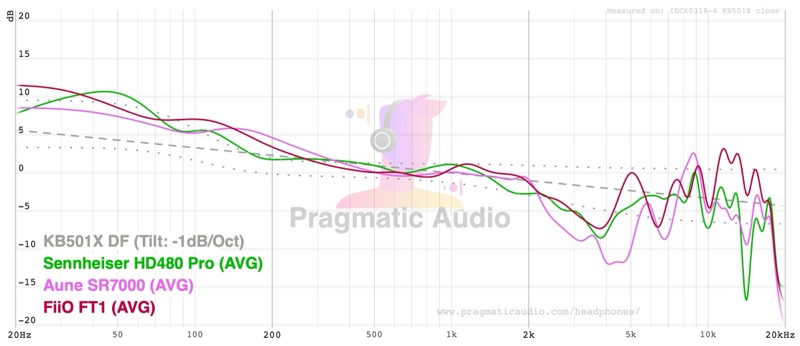
Against more consumer-leaning closed-backs like the FiiO FT1 and the Aune SR7000 the Sennheiser is the more neutral, monitor-like option, trading some of the FT1’s warmth for accuracy:
 |  |
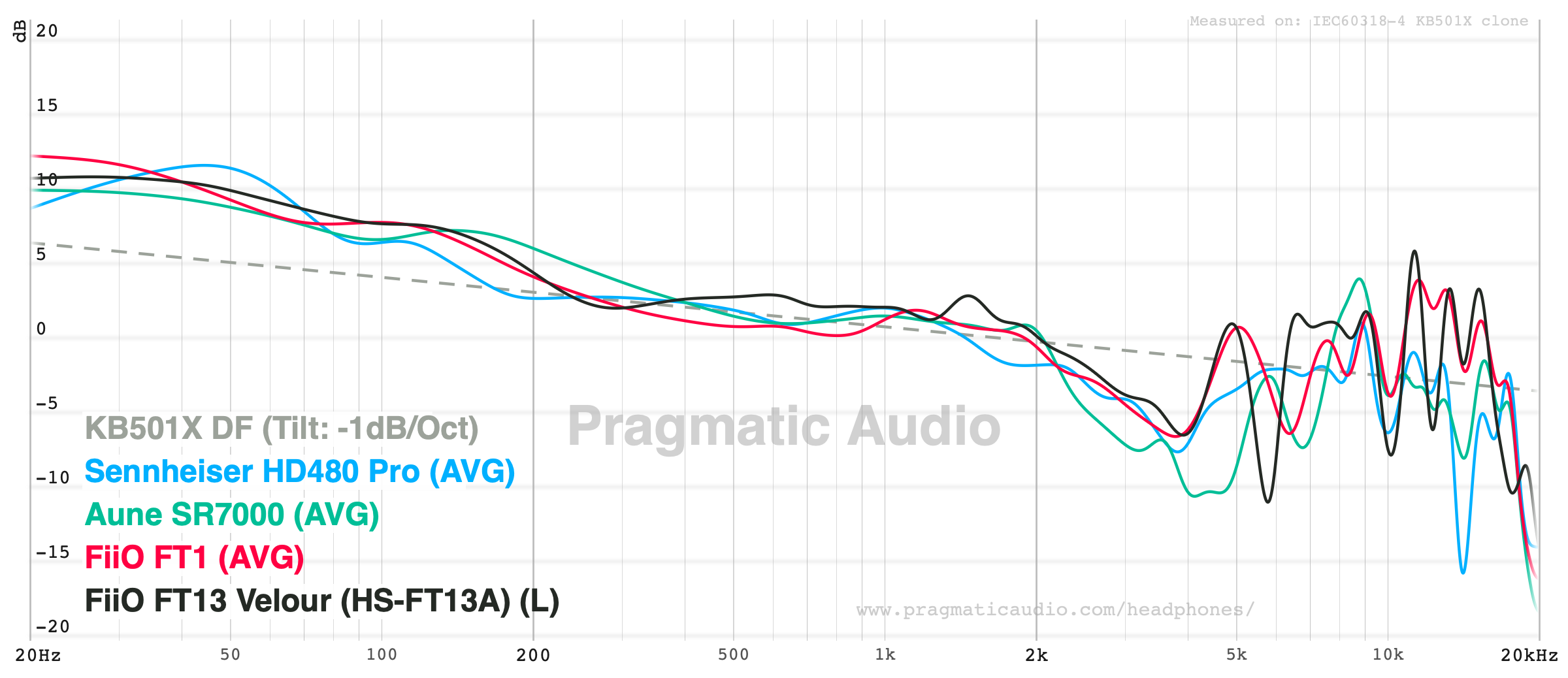
Widening that budget closed-back comparison to include the Aune SR7000 and the velour-padded FiiO FT13 gives a fuller picture of where the HD 480 PRO sits against consumer-leaning alternatives:
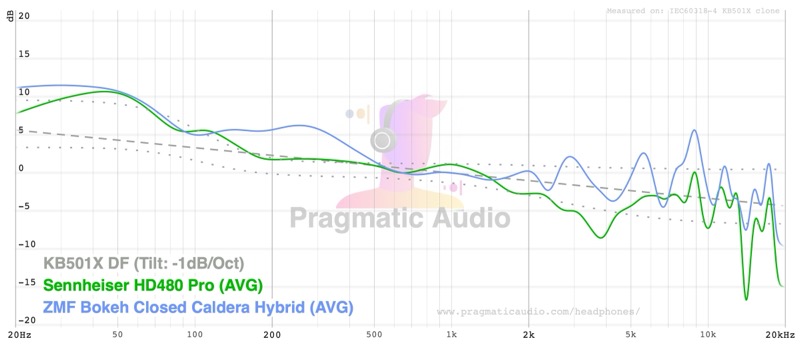
Against pricier audiophile closed-backs such as the ZMF Bokeh with the Caldera earpads, the comparison is more about intent than price — the ZMFs are tuned for enjoyment, the Sennheiser for reference:
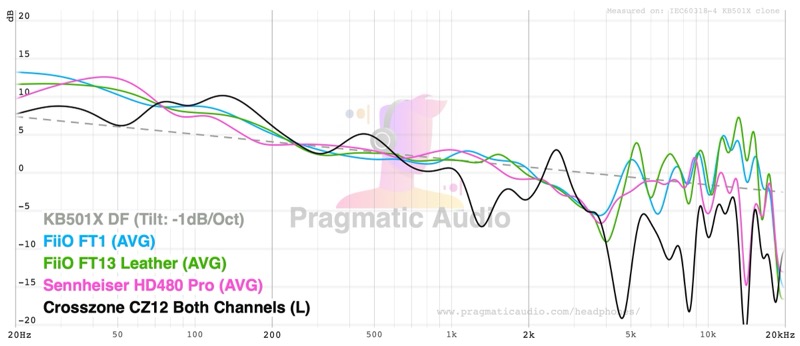
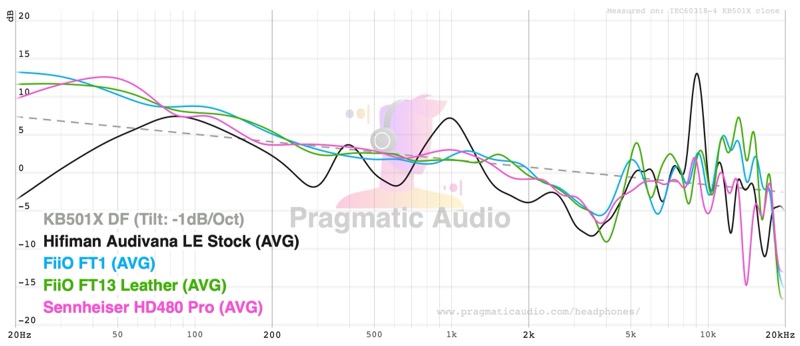
And for broader context, a comparison taking in the FiiO FT1, FT1s leather and the Crosszone CZ-12 — the Crosszone especially has a strange treble presentation. In the other comparison, the Hifiman Audivina LE has its own strange presentation, but both the FiiO FT1 and FT13 are good closed-backs which are just more uneven in the treble region:
 |  |
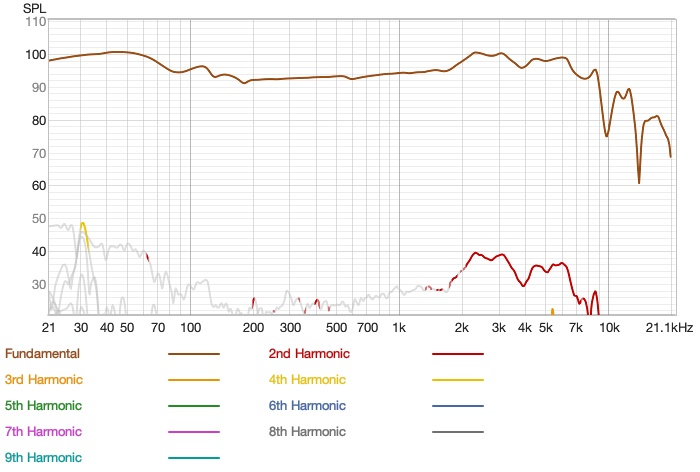
Distortion
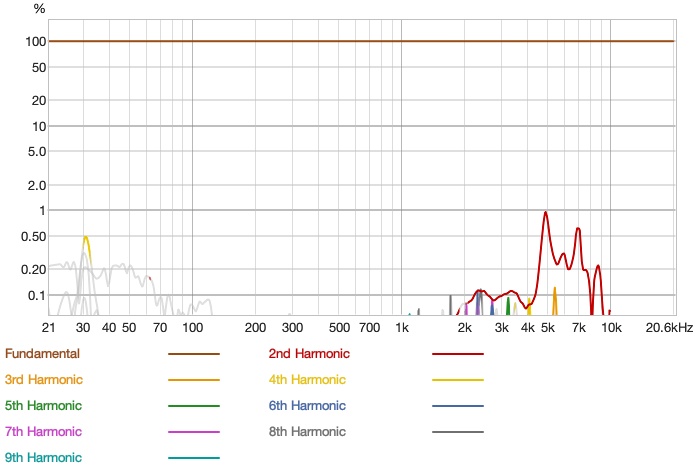
Distortion is low and well controlled across the band, which is consistent with the vibration attenuation system Sennheiser describe and with the clean, honest character in the listening notes:
 |  |
Rating Explanation
The Pragmatic Rating of 5 reflects a closed-back that does exactly what it sets out to do, without a real weak point. It is even, accurate and honest against the Harman OE 2018 target, with tight bass, a neutral midrange and a top end that reports rather than flatters. Channel matching is tight, distortion is low and well controlled across the band, and it is light and comfortable enough for long sessions — the velour pads are comfortable. The detachable mini-XLR cable and replaceable pads mean it is built to be serviced rather than replaced. It shows years of Sennheiser heritage to execute an almost perfect closed-back headphone.
The Price Rating of 5 reflects what you get for $399: a robust build, excellent comfort and sound that competes with pricier audiophile closed-backs like the ZMF Bokeh, plus a proper travel case in the Plus version, for a fraction of what most good audiophile headphones cost.
The Features Rating of 4 is held back by the deliberately narrow feature set — a slightly annoying cable, limited extras (no extra pads). These are the right choices for a studio tool, but can seem a little plain next to headphones that bundle balanced cables, multiple pad options and many “tuning” options.
The Measurement Rating of 5 reflects the excellent measurements especially the smoother treble, tight left-right channel matching, and low distortion across the band.
This one is both for engineers who need a closed-back reference for tracking, monitoring and editing where isolation matters but it is also a genuinely fantastic audiophile closed-back, and I think it’s the most pragmatic closed-back option under $1,000: the comfort, the weight, the simple and serviceable design, and the sound all hold up on their own merits.
If you want a closed-back to “enjoy” music with rather than appreciate its finer points, then maybe a warmer option like the FiiO FT1 or a ZMF will get you there faster on genre-specific fun, but you will miss out on what I have come to appreciate in what Sennheiser have done here.
Conclusion
The HD 480 PRO is a focused, well-executed closed-back that slots in neatly beside its also excellent open-back sibling, the HD 490 PRO, both as a studio reference and as an audiophile reference headphone. The HD 480 Pro gets the fundamentals right in exactly the ways that should matter to an audiophile: even tuning, low distortion, tight left-right channel matching, genuine comfort, useful isolation, and a light, serviceable package with a proper travel case in the Plus version. None of that is studio-specific value; it’s just good headphone design, and it happens to come from a company building to studio standards.
It was love at first listen for me, and I feel this will probably end up being my headphone of the year. Making something this good look this effortless almost certainly took a serious amount of clever engineering — the kind that is invisible precisely because none of the usual closed-back compromises showed up when I went looking for them. This is the easy recommendation for anyone looking for a quality closed-back.